
Myopia Management for Children in Metro Detroit
Myopia Management in Metro Detroit
A Proactive Vision Strategy for Children
Michigan Eye Consultants | Madison Heights, Michigan
When Your Child’s Prescription Increases Every Year, It’s Not Random.
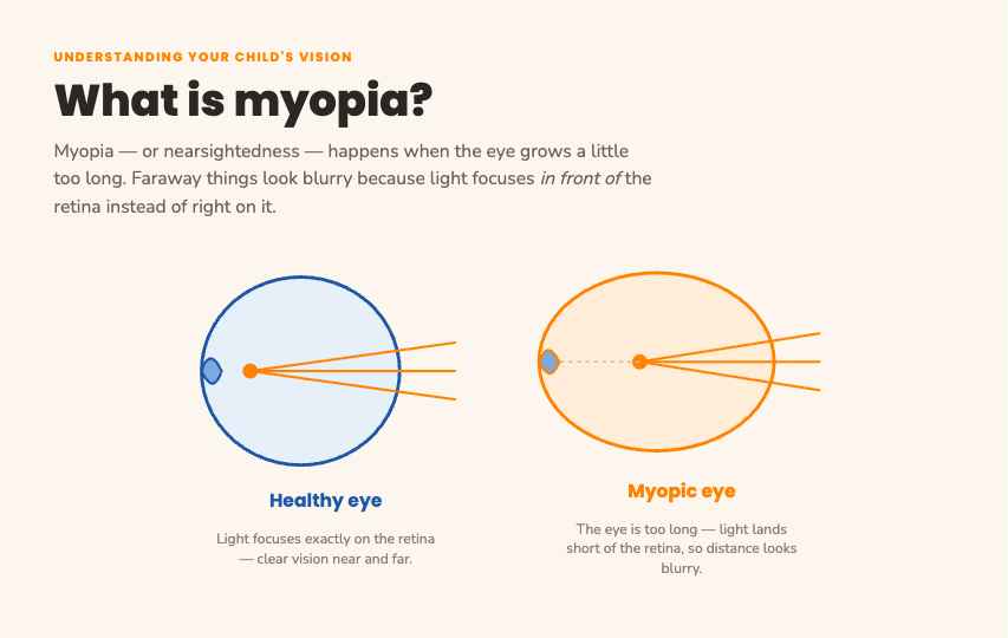
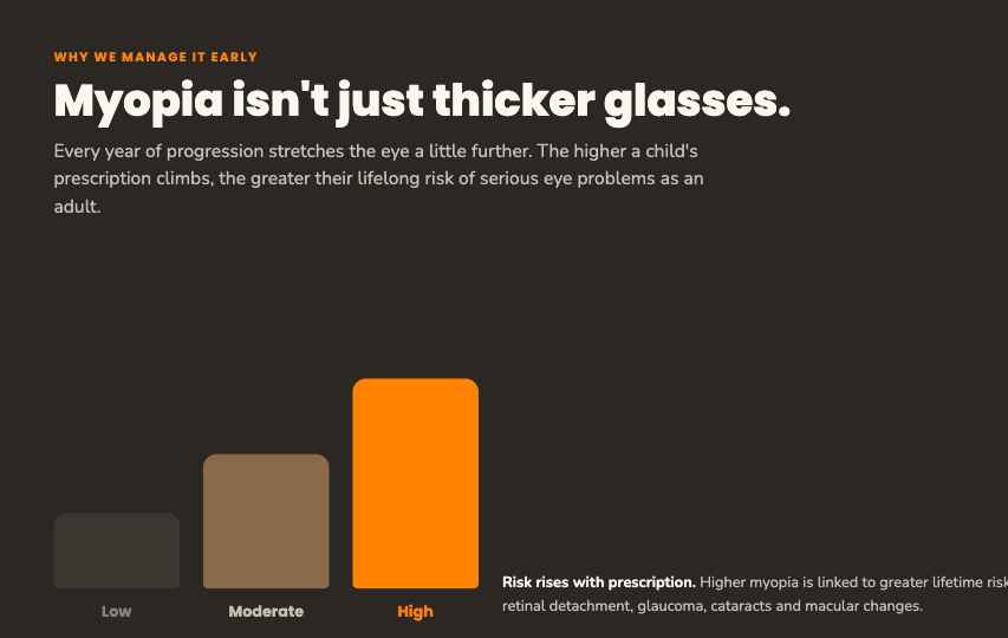
Each time a prescription increases, the eye is physically growing longer.That growth does not just mean stronger glasses. Higher levels of myopia are associated with increased lifetime risk for retinal detachment, glaucoma, and myopic maculopathy.
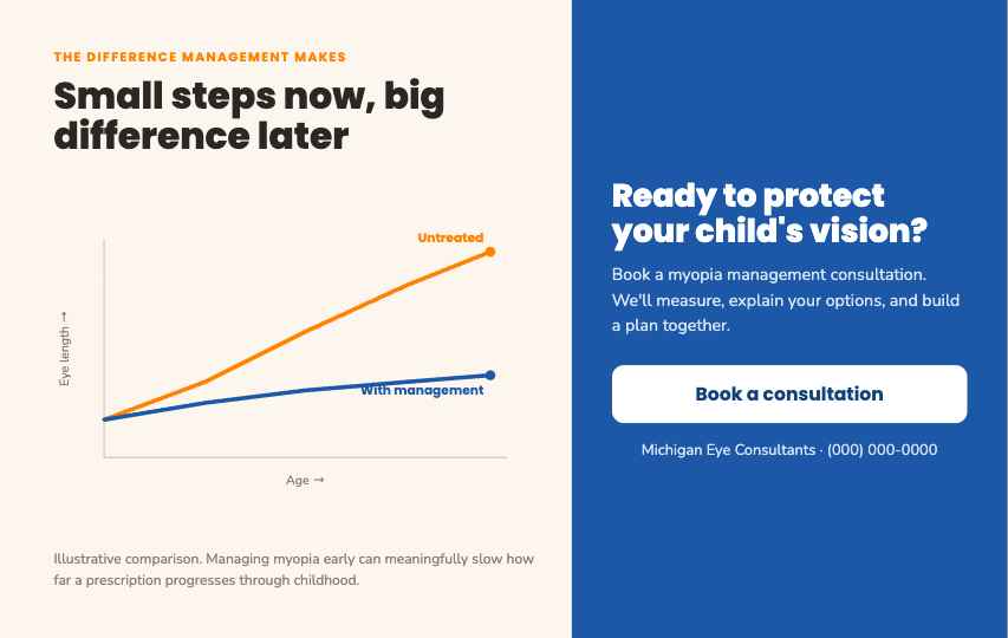
The earlier progression is addressed, the greater the opportunity to influence long‑term visual health.
At Michigan Eye Consultants, we provide structured, clinically guided myopia management for families across Birmingham, Bloomfield Hills, Troy, Royal Oak, and Metro Detroit. Our approach features FDA‑authorized Stellest® lenses as part of a comprehensive plan designed to slow progression — not simply correct vision.
Why Forward‑Thinking Families Address Myopia Early
Myopia is progressive. Waiting rarely improves outcomes.Families who intervene early often experience:
- Greater control over prescription increases
- Fewer rapid year‑to‑year jumps
- Confidence knowing they are actively protecting long‑term eye health
The strongest outcomes are typically seen when management begins before prescriptions reach higher levels.This is not about alarm. It is about foresight.
What Makes Stellest® Lenses Different?
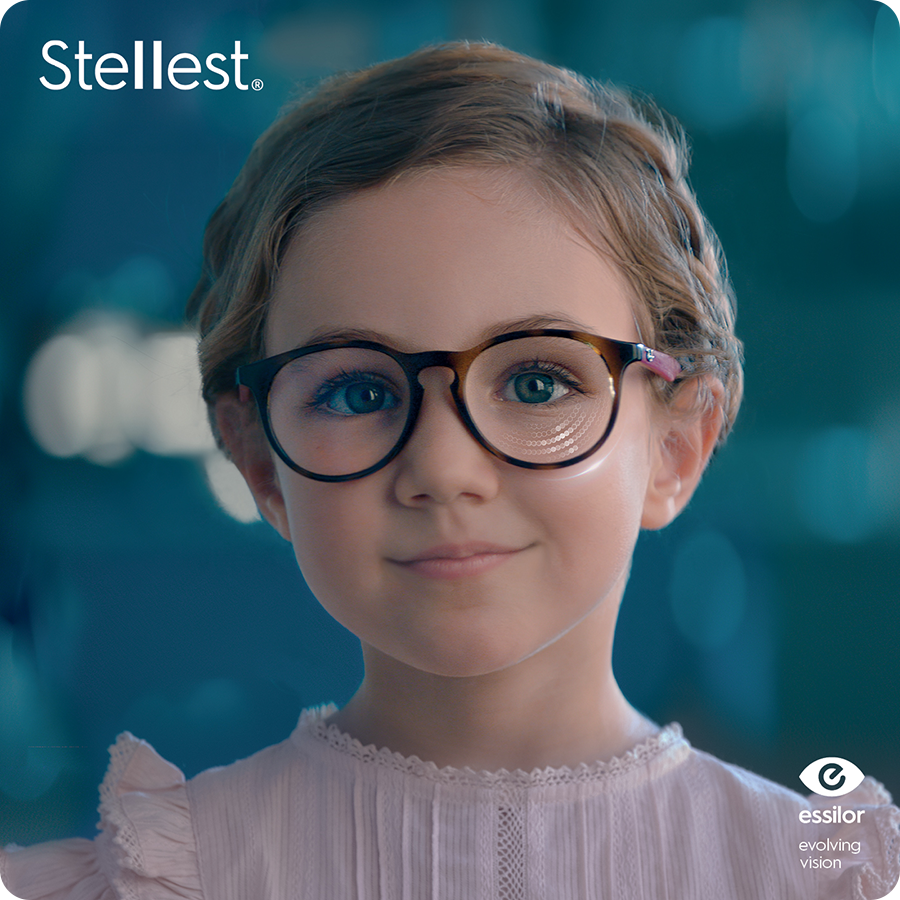
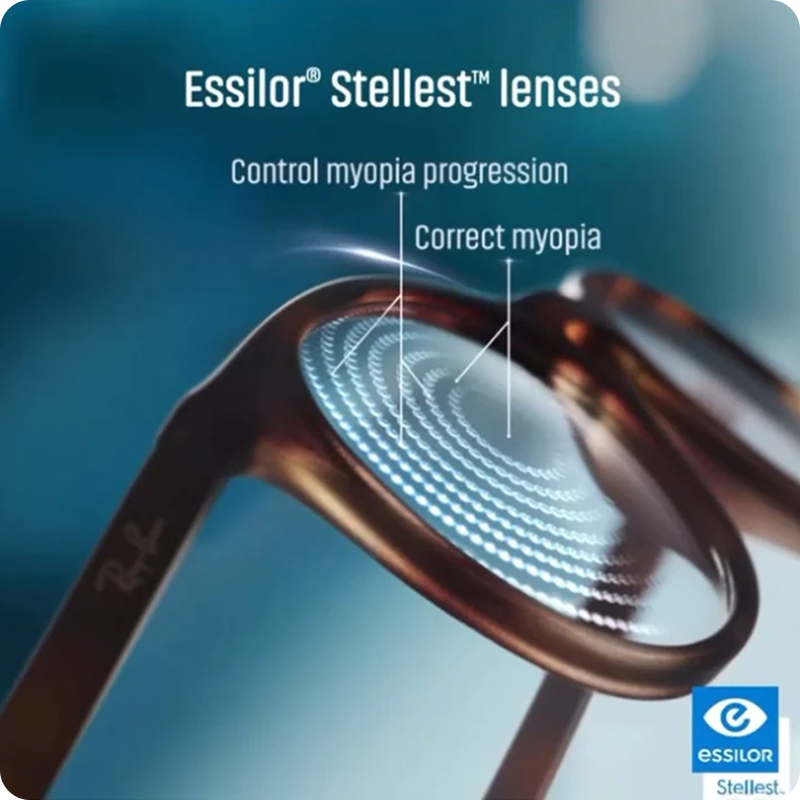
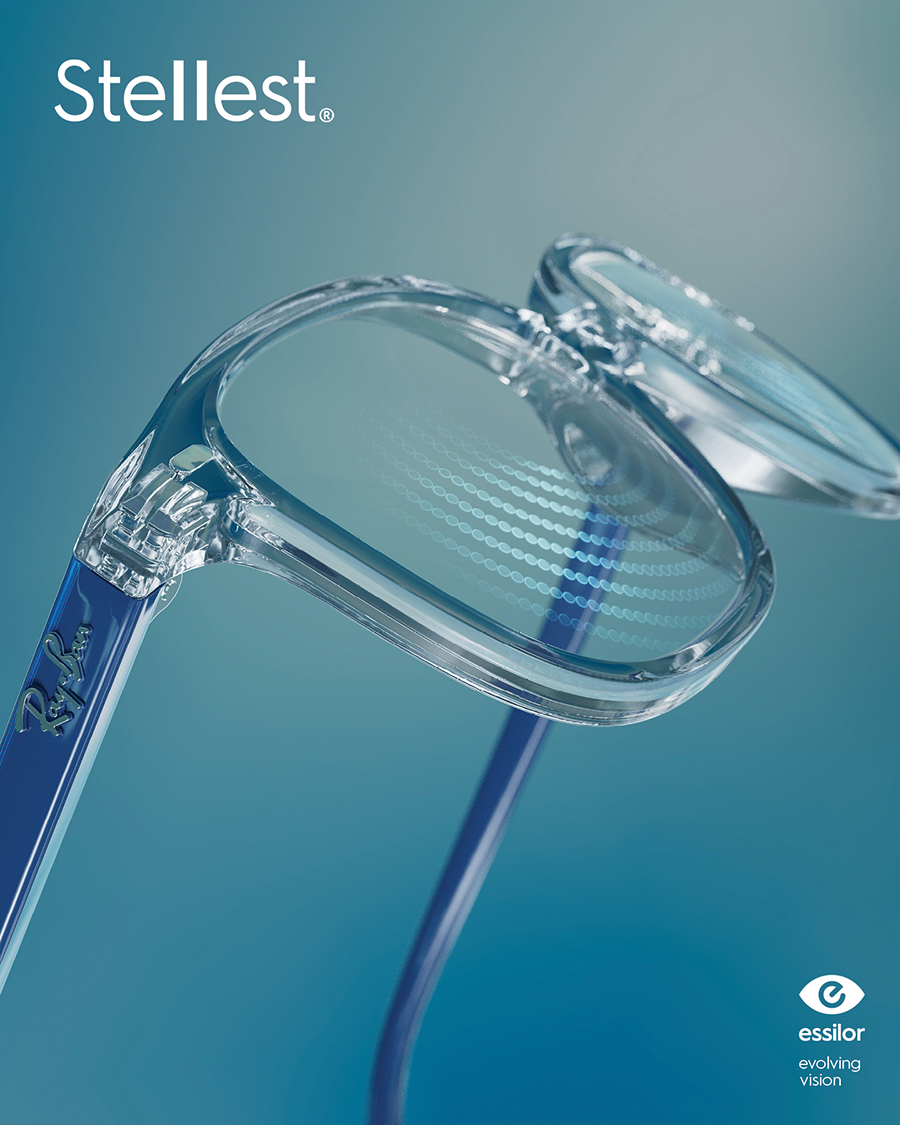
Stellest® lenses incorporate Highly Aspherical Lenslet Target (H.A.L.T.) technology — a constellation of microscopic aspherical lenslets surrounding a clear central visual zone.
This design creates controlled myopic defocus while maintaining crisp central vision for school, athletics, reading, and digital tasks.
Stellest lenses are FDA‑authorized for pediatric myopia management in the United States and are worn like traditional eyeglasses — with advanced optical engineering built into the lens.
Myopia Management Isn’t One-Size-Fits-All. We Offer Three Clinically Supported Paths.
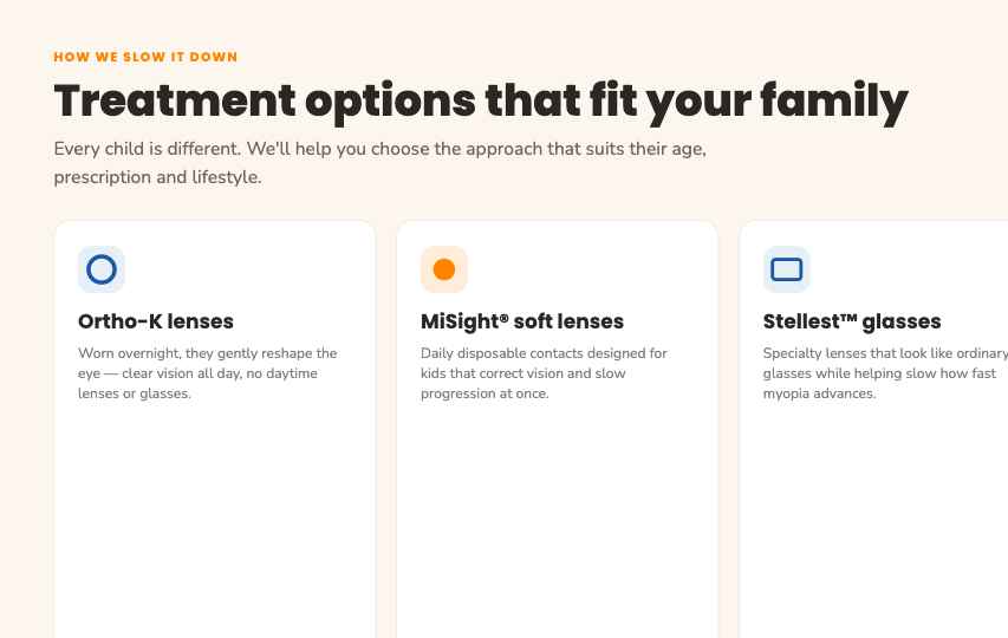
Every child wears their treatment differently. Some do best in glasses. Some are already contact lens wearers who want a soft lens option. Some parents want their child in nothing at all during the day. At Michigan Eye Consultants, we don’t fit every child into the same lens — we match the treatment to the child.
Stellest® Lenses — Worn as Glasses
Our lead option for most families. FDA-authorized, worn like standard eyeglasses, with H.A.L.T. lenslet technology built into the lens itself. Best for children who already wear glasses or aren’t ready for contact lens wear.
Full details on Stellest®
MiSight® 1 Day Contact Lenses — Worn as Daily Contacts
A daily disposable soft contact lens, FDA-approved specifically to slow myopia progression in children. Often the right fit for active kids in sports, children who resist glasses, or families already comfortable with contact lens wear and care.
Full details on MiSight®
Orthokeratology (Ortho-K) — Worn Overnight
Custom-fit rigid lenses worn only while sleeping, gently reshaping the cornea overnight so your child sees clearly all day with nothing on their eyes. A strong option for athletes, swimmers, and children whose parents want zero daytime lens wear.
Full details on Ortho-K
Every option starts the same way: a comprehensive myopia evaluation with Dr. Wong, where we assess your child’s prescription trend, lifestyle, and candidacy — then recommend the path most likely to succeed for your family specifically.
Topcon MYAH — The Technology Behind Every Recommendation
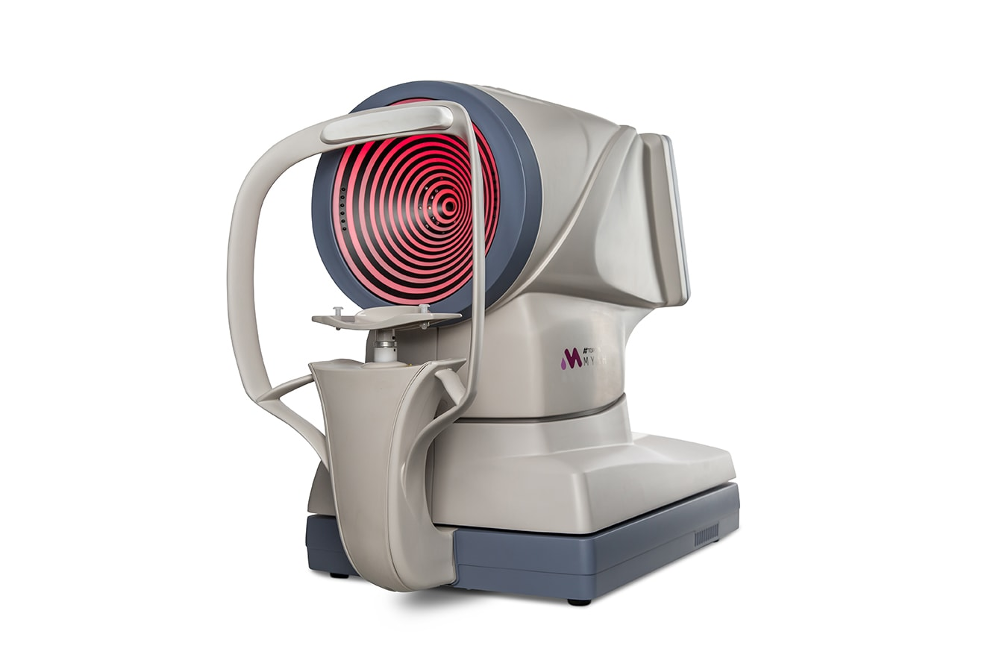
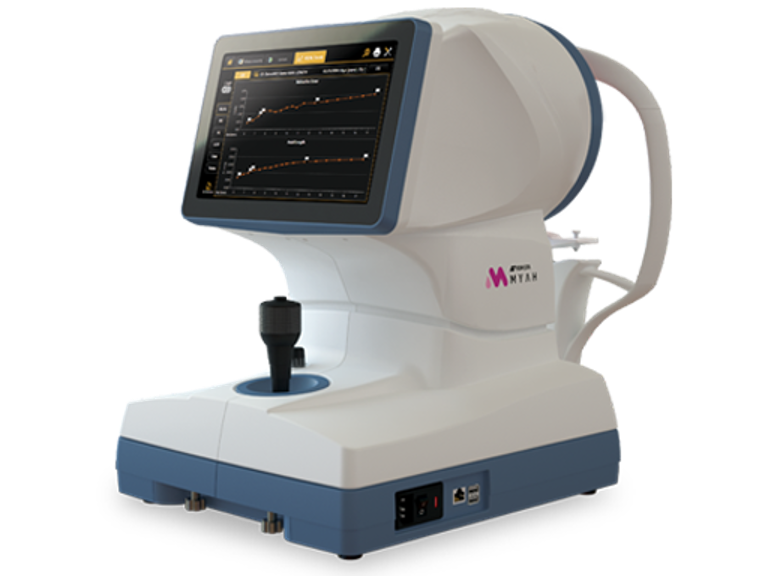
Before any lens or treatment path is chosen, every child on our myopia management program is measured on the Topcon MYAH — an advanced optical biometer that gives us a far more precise picture of myopia progression than a refraction alone.
The MYAH measures axial length — the actual physical length of the eye, and the single most reliable indicator of whether myopia is progressing, since it changes months before a prescription shift shows up on a standard exam. It also captures corneal topography, pupillometry, and tear film data in one non-invasive scan, giving Dr. Wong a complete baseline in minutes.
How We Use It:
Establishing a baseline. Every new myopia management patient gets an initial MYAH scan before any treatment is recommended.
Tracking real progression, not just prescription changes. Axial length growth is measured at each follow-up visit, so we know objectively whether a treatment is working — not just whether the eyeglass prescription held steady.
Guiding treatment selection. MYAH data helps confirm candidacy across all three paths — Stellest®, MiSight®, and Ortho-K — and is a required step before fitting a child for Ortho-K specifically.
Proving results to families. Because axial length is an objective, repeatable measurement, parents see real data showing their child’s treatment is working — not just a subjective “looks stable” assessment.
This is the diagnostic layer underneath everything else on this page: whichever of the three options a family chooses, the MYAH is how we confirm it's working.
Myopia Management at MEC Is a Structured Clinical Process
We do not simply dispense specialty lenses.
Our protocol includes:
- Comprehensive pediatric eye examinations
- Risk factor assessment (family history, screen habits, prescription velocity)
- Prescription trend evaluation
- Ongoing monitoring visits to track progression
Families receive clear guidance, structured follow‑up, and a long‑term strategy.
This level of oversight is why many families travel from Birmingham, Bloomfield Hills, and surrounding communities for care.
Confidence Comes From Taking Action Early
Many parents assume stronger glasses are simply part of growing up.
Modern research suggests otherwise.
When families choose proactive management, they often describe relief — knowing they are not passively watching prescriptions climb.
Myopia management is about partnership, informed decisions, and protecting your child’s future vision.
Who Should Consider Myopia Management?
Children typically between ages 6–14 who:
- Have prescriptions increasing year over year
- Have one or both parents with moderate to high myopia
- Spend substantial time on near work or digital devices
- Have shown rapid progression in a short period of time
Earlier intervention generally produces greater long‑term benefit.
Frequently Asked Questions
At what age should my child start myopia management?
Intervention often begins between ages 6–10, particularly when progression is observed.
Are Stellest? lenses safe?
Yes. Stellest lenses are FDA‑authorized and worn like standard glasses.
What happens if we wait?
Prescriptions frequently continue increasing, which may elevate long‑term eye health risk.
Does insurance cover this?
Coverage depends on your plan. Medical insurance may apply when medical neccessary. We are out-of-network for vision plans but use Anagram to help eligible patients submit for reimbursement. Our team reviews your benefits before you proceed.
How do I avoid annoying reflections on my eyeglasses?
Reflections are reduced with a premium anti-reflective (AR) coating. It cuts glare, improves clarity, and makes your lenses look nearly invisible. We'll help you choose the best option based on how you use your glasses.
Which Path Is Right for Your Child?
Every child is different. Let Dr. Wong assess your child’s prescription trend, lifestyle, and candidacy — then recommend the treatment most likely to succeed for your family.
Schedule a Myopia Management Consultation today!
Quick Links
Helpful Articles

All Eye Care Services
Find personalized eye care excellence with our comprehensive services. From eye exams to advanced diagnostics, trust us for all your vision needs.

Keep In Touch
For non-urgent questions or to learn more about our services, contact us today!

© 2026 Michigan Eye Consultants. All rights Reserved - Accessibility Statement - Privacy Policy - Sitemap
Managed and Designed by 
Michigan Eye Consultants
Patient Advisor
Online
Hello!I'm the MEC Patient Advisor. I can answer questions about our Advanced Dry Eye Program,Neurolens,specialty lenses,pricing,and help get you scheduled with Dr. Wong. What brings you in today?