
Cataract Evaluation
Clear answers. No rush. A plan that makes sense.
If your vision has gotten cloudy, blurry, or lights feel like they’re “exploding” at night, cataracts may be part of the story. A cataract evaluation helps us figure out what’s changing, how much it’s affecting you, and what to do next—whether that’s updating glasses, monitoring, or discussing surgery timing.
At Michigan Eye Consultants, we take the time to evaluate your overall eye health and explain findings in plain language. We proudly serve Madison Heights and surrounding areas.
Book now!
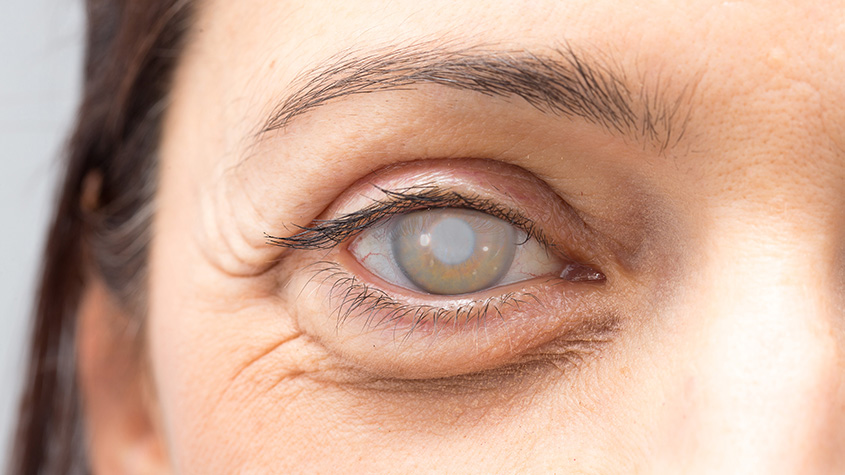
What are cataracts
A cataract is a clouding of the eye’s natural lens. It’s common with age, and it can also be influenced by things like diabetes, certain medications, sun exposure, eye injury, or prior eye surgery.
Cataracts usually develop gradually—so many people don’t notice how much their vision has changed until daily life starts getting harder.
Cataracts usually develop gradually—so many people don’t notice how much their vision has changed until daily life starts getting harder.

Signs it’s time for a cataract evaluation
You don’t need to “wait until it’s bad.” Come in if you’ve noticed:
- Blurry, foggy, or dimmer vision
- Glare or halos around lights (especially at night)
- Trouble driving at night
- Colors looking dull or yellowed
- Needing brighter light to read
- Frequent prescription changes with limited improvement
- Double vision in one eye (sometimes)
What happens during your cataract evaluation
We’ll start with your symptoms and what you’re noticing day-to-day (driving, reading, screens, hobbies). Then we’ll examine your eyes and measure how the cataract is affecting your vision.
Depending on your needs, your visit may include:
- Vision testing and refraction (how well glasses can sharpen things)
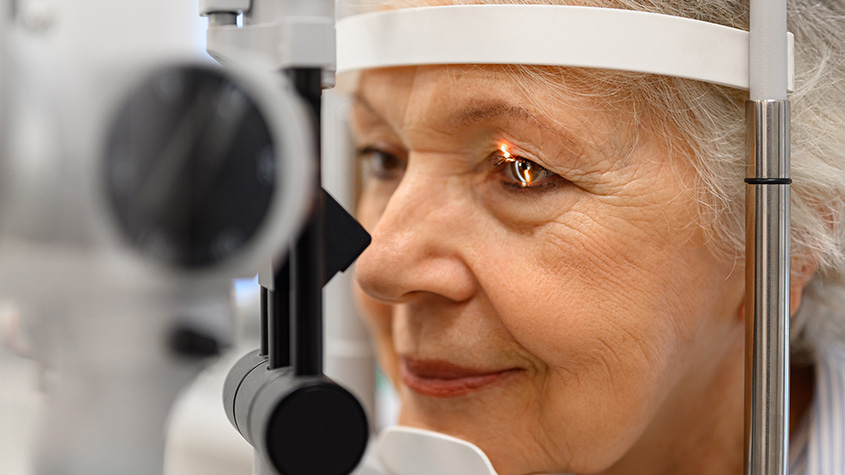
- Microscope exam to assess the cataract’s type and severity
- Dilated eye exam to evaluate the retina and optic nerve
- Advanced imaging when appropriate to check the macula/retina and rule out other causes of blurry vision
Plan for 60–90 minutes. If dilation is needed, your eyes may stay light-sensitive for a few hours—bring sunglasses and consider a driver if you prefer.
Cataracts vs. “I just need new glasses”
A lot of people assume blur = glasses. Sometimes that’s true. But cataracts can create blur that doesn’t fully sharpen with a new prescription.
Our goal is to pinpoint the cause—because the right solution depends on the right diagnosis.
Do cataracts always need surgery?
Not always.
If your cataracts are mild and your daily life is still comfortable, we may recommend monitoring and updating your glasses if it helps.
If cataracts are clearly limiting your vision—especially driving, reading, or work—then surgery may be the best next step. Cataract surgery is very common, and we’ll walk you through what it means in a straightforward way.
If surgery is the next step
When appropriate, we’ll:
- Explain whether surgery timing makes sense now or later
- Review any eye health findings that may affect outcomes
- Coordinate referral/next steps with a cataract surgeon as needed
- Help you understand lens options and what fits your lifestyle
Important: The final surgical plan and lens selection are determined by the surgeon, but we’ll make sure you feel informed before you get there.
Lens options (quick overview)
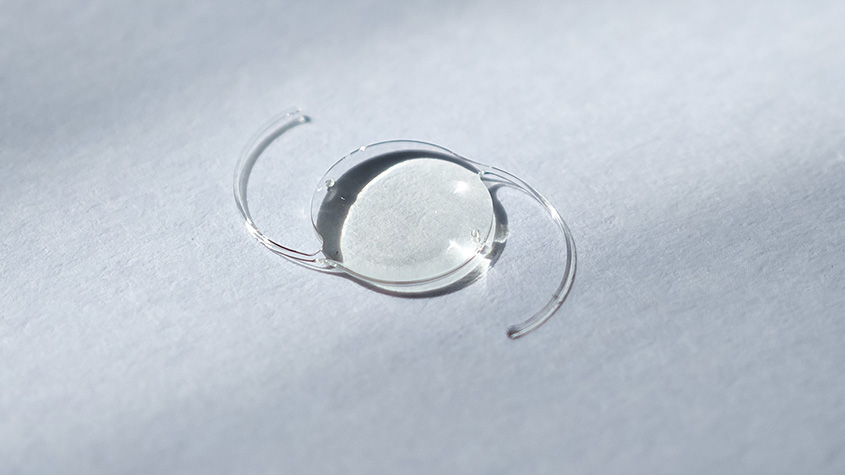
If surgery is on the table, you may hear about different implant lens (IOL) options. Common categories include:
- Monofocal lenses: Great clarity at one main distance (often far).
- Toric lenses: Designed to reduce astigmatism.
- Multifocal / EDOF lenses: Aim to reduce dependence on glasses for multiple distances (not ideal for everyone).
We’ll help you understand the trade-offs (night driving, glare potential, lifestyle fit) so you’re not guessing.
Insurance & payment
We accept medical insurance for medically necessary eye care.
If you have a vision plan with out-of-network benefits, our team can help you understand what may apply and, when appropriate, assist with reimbursement options.
If you’re unsure, just call—we’ll help you sort it out.
FAQ
How do I know if my cataracts are “bad enough”?
The best marker is function: if cataracts are affecting your life—driving, reading, work, safety—an evaluation can clarify whether surgery timing makes sense.
Can cataracts be reversed?
No—once the lens becomes cloudy, it doesn’t clear back up with drops or vitamins. But many people can manage early cataracts for a while with lighting and glasses changes.
How long does the appointment take?
Plan for 60–90 minutes, depending on testing.
Can I drive afterward?
Some people can, but dilation can make vision blurry and light-sensitive. If you’re nervous about it, bring a driver.
Ready for clearer answers?
Book now!
Quick Links
Helpful Articles
article_category: products
article_category: psychiatry
article_category: faqs
article_category: cats
article_category: general
article_category: services
article_category: technology
article_category: dogs
article_category: restorative
article_category: vision therapy
article_category: contact lenses
article_category: health
article_category: conditions
article_category: eye surgery co-management
article_category: exotic
article_category: cosmetic
article_category: surgical procedures
article_category: aesthetics
article_category: preventative
article_category: ocular disease management
article_category: eyeglasses
article_category: eye health
article_category: large animal
[]
article_category: psychiatry
article_category: faqs
article_category: cats
article_category: general
article_category: services
article_category: technology
article_category: dogs
article_category: restorative
article_category: vision therapy
article_category: contact lenses
article_category: health
article_category: conditions
article_category: eye surgery co-management
article_category: exotic
article_category: cosmetic
article_category: surgical procedures
article_category: aesthetics
article_category: preventative
article_category: ocular disease management
article_category: eyeglasses
article_category: eye health
article_category: large animal
[]
Flowbite is an open-source library of interactive components built on top of Tailwind CSS including buttons, dropdowns, modals, navbars, and more.
Check out this guide to learn how to get started and start developing websites even faster with components on top of Tailwind CSS.

All Eye Care Services
Find personalized eye care excellence with our comprehensive services. From eye exams to advanced diagnostics, trust us for all your vision needs.

Keep In Touch
For non-urgent questions or to learn more about our services, contact us today!

© 2026 Michigan Eye Consultants. All rights Reserved - Accessibility Statement - Privacy Policy - Sitemap
Managed and Designed by 
Michigan Eye Consultants
Patient Advisor
Online
Hello!I'm the MEC Patient Advisor. I can answer questions about our Advanced Dry Eye Program,Neurolens,specialty lenses,pricing,and help get you scheduled with Dr. Wong. What brings you in today?