
Glaucoma Care
Glaucoma is often called the “silent” vision thief—because many people feel fine while damage slowly progresses. The goal of glaucoma care is simple: protect your optic nerve and preserve your vision for the long run.
At Michigan Eye Consultants, we manage glaucoma with careful monitoring, modern diagnostics, and medication when appropriate. If your condition requires surgical care, we coordinate a timely referral to a trusted specialist.
Need glaucoma monitoring or a second opinion?
Book now!
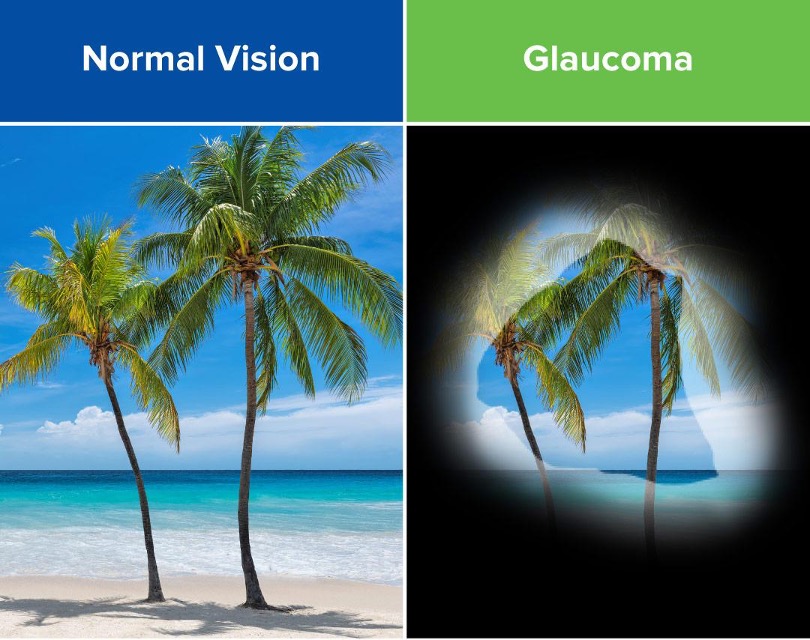
What is glaucoma?
Glaucoma is a group of conditions that can damage the optic nerve, usually over time. Eye pressure (IOP) is an important risk factor—but glaucoma can occur even with “normal” pressure. Because glaucoma damage can’t be reversed, early detection and consistent monitoring matter.
Why monitoring matters
Glaucoma care isn’t based on one number or one visit. We track:
Eye pressure trends
Optic nerve structure
Functional vision changes (how your vision performs over time)
That combination helps us detect subtle changes early and adjust treatment before more vision is lost.
How we monitor glaucoma at MEC
We use a comprehensive set of tools to monitor both structure and function:
Visual Fields (including Virtual Field testing)
Measures your peripheral (side) vision and helps detect functional changes from glaucoma over time.
Maestro 2 OCT (Optical Coherence Tomography)
High-resolution imaging of the optic nerve and retinal nerve fiber layer. OCT can detect early structural changes and helps us track progression.
Optos® Ultra-Widefield Retinal Imaging
Optos captures a wide, high-resolution view of the retina in a single image. In glaucoma care, it helps us document baseline retinal/optic nerve appearance, monitor for changes over time, and screen for other retinal findings that can affect overall eye health.
iCare Tonometry
A comfortable way to measure eye pressure (IOP) without the “air puff” in many cases. Accurate pressure checks are a key part of ongoing glaucoma care.
RetEval ERG (Electroretinography)
In select cases, ERG can provide additional information about retinal and optic pathway function—helpful when we want more insight beyond imaging alone.
Rabin Cone Contrast Test (RCC)
Glaucoma can affect more than sharpness on an eye chart. RCC measures contrast and color sensitivity and can add useful functional information in certain patients.
(Testing is individualized—your doctor will recommend what’s appropriate for your case.)
How we treat glaucoma
For many patients, glaucoma is managed effectively with prescription eye drops and regular monitoring. If medication is recommended, we’ll discuss:
Which drop(s) fit your condition and lifestyle
How to use them correctly
What side effects to watch for
How often to follow up based on your risk level
Our goal is to keep treatment practical, consistent, and effective—without overcomplicating things.
When we refer
Some cases need specialty or surgical management (for example, if glaucoma is progressing despite treatment, if pressures remain too high, or if your situation is complex). If referral is needed, we’ll coordinate care with a glaucoma specialist and make sure you understand the “why” and the next steps.
Symptoms (and why you shouldn’t wait for them)
Most glaucoma has no early symptoms. Later-stage symptoms can include peripheral vision loss or difficulty with side vision, but we don’t want to wait until that happens.
If you have a family history of glaucoma, elevated eye pressure, diabetes, or are over 40, regular eye exams are especially important.
Schedule glaucoma care
If you’ve been diagnosed with glaucoma—or you’re being monitored for glaucoma risk—we’re here to help you protect your vision with thorough, high-tech, doctor-led care.
Book now!
Quick Links
Helpful Articles
article_category: products
article_category: psychiatry
article_category: faqs
article_category: cats
article_category: general
article_category: services
article_category: technology
article_category: dogs
article_category: restorative
article_category: vision therapy
article_category: contact lenses
article_category: health
article_category: conditions
article_category: eye surgery co-management
article_category: exotic
article_category: cosmetic
article_category: surgical procedures
article_category: aesthetics
article_category: preventative
article_category: ocular disease management
article_category: eyeglasses
article_category: eye health
article_category: large animal
[]
article_category: psychiatry
article_category: faqs
article_category: cats
article_category: general
article_category: services
article_category: technology
article_category: dogs
article_category: restorative
article_category: vision therapy
article_category: contact lenses
article_category: health
article_category: conditions
article_category: eye surgery co-management
article_category: exotic
article_category: cosmetic
article_category: surgical procedures
article_category: aesthetics
article_category: preventative
article_category: ocular disease management
article_category: eyeglasses
article_category: eye health
article_category: large animal
[]
Flowbite is an open-source library of interactive components built on top of Tailwind CSS including buttons, dropdowns, modals, navbars, and more.
Check out this guide to learn how to get started and start developing websites even faster with components on top of Tailwind CSS.

All Eye Care Services
Find personalized eye care excellence with our comprehensive services. From eye exams to advanced diagnostics, trust us for all your vision needs.

Keep In Touch
For non-urgent questions or to learn more about our services, contact us today!

© 2026 Michigan Eye Consultants. All rights Reserved - Accessibility Statement - Privacy Policy - Sitemap
Managed and Designed by 
Michigan Eye Consultants
Patient Advisor
Online
Hello!I'm the MEC Patient Advisor. I can answer questions about our Advanced Dry Eye Program,Neurolens,specialty lenses,pricing,and help get you scheduled with Dr. Wong. What brings you in today?