
Advanced Dry Eye Treatments
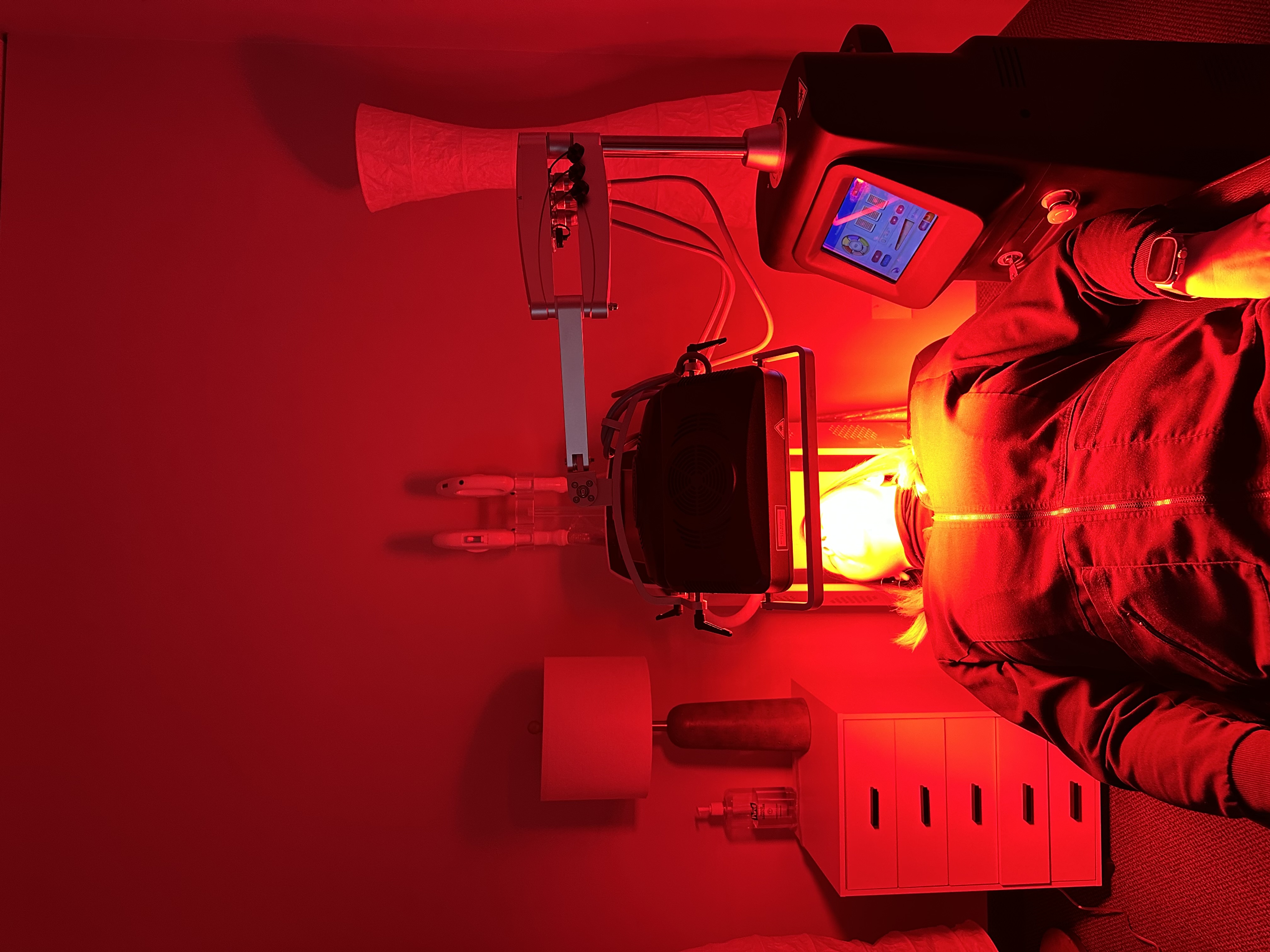
IPL / RF / LLLT Dry Eye Treatment
Advanced Dry Eye Therapy for Madison Heights, Birmingham & Surrounding Communities
Intro
For patients with ongoing dry eye symptoms, temporary relief is rarely enough. At Michigan Eye Consultants, we offer a layered, physician-guided approach that targets the underlying drivers of evaporative dry eye—especially meibomian gland dysfunction (MGD) and chronic eyelid inflammation.
Treatment recommendations are guided by our Enhanced Dry Eye Consult (EDEC) so therapies like IPL, RF, and LLLT are selected thoughtfully and used only when appropriate.
Why Advanced Therapy Is Sometimes Needed
Dry eye often stems from meibomian gland dysfunction and chronic eyelid inflammation—conditions that disrupt the tear film and can lead to fluctuating vision, irritation, and visual fatigue that interferes with daily performance.
Advanced therapies are designed to address these contributors at the source, rather than simply managing symptoms.
Intense Pulsed Light (IPL) Therapy
IPL targets inflammatory pathways that contribute to eyelid disease and abnormal blood vessels. By improving the eyelid environment and supporting healthier gland function, IPL can help stabilize the tear film over time.
Radiofrequency (RF) Therapy
RF delivers controlled warmth to the eyelids to support healthier oil flow from the meibomian glands. This is particularly effective for evaporative dry eye driven by gland obstruction and poor oil secretion.
Low-Level Light Therapy (LLLT)
LLLT uses therapeutic light energy (photobiomodulation) to support eyelid tissue health and meibomian gland function. When appropriate, LLLT can be layered into a treatment plan to further support tear film stability and comfort—especially in patients with persistent eyelid inflammation or gland dysfunction.
Combination Therapy
For moderate to advanced cases, combining IPL + RF—and layering LLLT when clinically appropriate—allows us to address inflammation and gland dysfunction in a more comprehensive way.
Many patients experience:
Reduced burning and irritation
More stable vision
Decreased dependency on artificial tears
Improved comfort with screen use
Greater contact lens tolerance
Results build gradually, and most patients complete a series of treatments for the most meaningful and lasting improvement.
What to Expect
Treatments are performed comfortably in-office with minimal disruption to your schedule. Your recommended plan (including number of sessions and pacing) is determined during your Enhanced Dry Eye Consult (EDEC) based on severity and clinical findings.
Who Chooses IPL / RF / LLLT
This approach is often selected by patients who:
Have symptoms that persist despite drops and home therapies
Have MGD-related evaporative dry eye
Want a proactive, technology-driven plan guided by a doctor
Prefer longer-term improvement vs. short-term symptom masking
Schedule Your Enhanced Dry Eye Consult (EDEC)
If dry eye symptoms are affecting your comfort or visual performance, it may be time to explore advanced treatment options.
Call (586) 302-3222 or Book Your Dry Eye Consult today!
Frequently Asked Questions (FAQ)
Does IPL, RF, or LLLT work for dry eye?
Advanced therapies such as IPL, RF, and LLLT are designed to treat underlying drivers of many dry eye cases—particularly MGD-related evaporative dry eye. These treatments help reduce eyelid inflammation, support healthier gland function, and stabilize the tear film.
What’s the difference between IPL, RF, and LLLT?
IPL primarily targets eyelid inflammation and abnormal blood vessels. RF provides controlled heat to improve oil gland secretion. LLLT supports eyelid tissue health via photobiomodulation and may be layered to support comfort and stability in appropriate cases.
How many treatments are usually needed?
Most patients require a series of treatments spaced several weeks apart. The exact number depends on severity, the therapies used, and clinical response.
Is the procedure painful?
Most patients find treatment very tolerable. You may feel warmth during RF and brief sensations during IPL, but it is generally well-managed and performed in-office.
When do patients notice results?
Some patients notice improvement after the first session, but meaningful results typically build over a series. Your timeline depends on baseline inflammation and gland function.
Is advanced dry eye treatment covered by insurance?
Medical dry eye evaluations are often covered by insurance. Procedural therapies such as IPL, RF, and LLLT are typically elective and not covered.
Who is a good candidate?
Candidates often include patients with evaporative dry eye, MGD, eyelid inflammation, rosacea-associated lid disease, or symptoms that persist despite drops and home care. Candidacy is determined during the Enhanced Dry Eye Consult (EDEC).
Call (586) 302-3222 or Book Your Dry Eye Consult today!
Other Relevant Links
Quick Links
Helpful Articles

All Eye Care Services
Find personalized eye care excellence with our comprehensive services. From eye exams to advanced diagnostics, trust us for all your vision needs.

Keep In Touch
For non-urgent questions or to learn more about our services, contact us today!

© 2026 Michigan Eye Consultants. All rights Reserved - Accessibility Statement - Privacy Policy - Sitemap
Managed and Designed by 
Michigan Eye Consultants
Patient Advisor
Online
Hello!I'm the MEC Patient Advisor. I can answer questions about our Advanced Dry Eye Program,Neurolens,specialty lenses,pricing,and help get you scheduled with Dr. Wong. What brings you in today?