
Comprehensive Eye Exam
At Michigan Eye Consultants, a comprehensive eye exam is more than “reading letters on a chart.” We take our time, use modern diagnostic technology, and focus on both clear vision and long-term eye health—so you leave with answers, not guesswork.
You’ll get a calm, boutique experience with thorough, doctor-led care—whether you’re here for a routine checkup, updated glasses, dry eye symptoms, or ongoing medical eye concerns.
Conveniently located in Madison Heights, minutes from Birmingham, Royal Oak, and Bloomfield Hills.
Ready to schedule?
Book now!
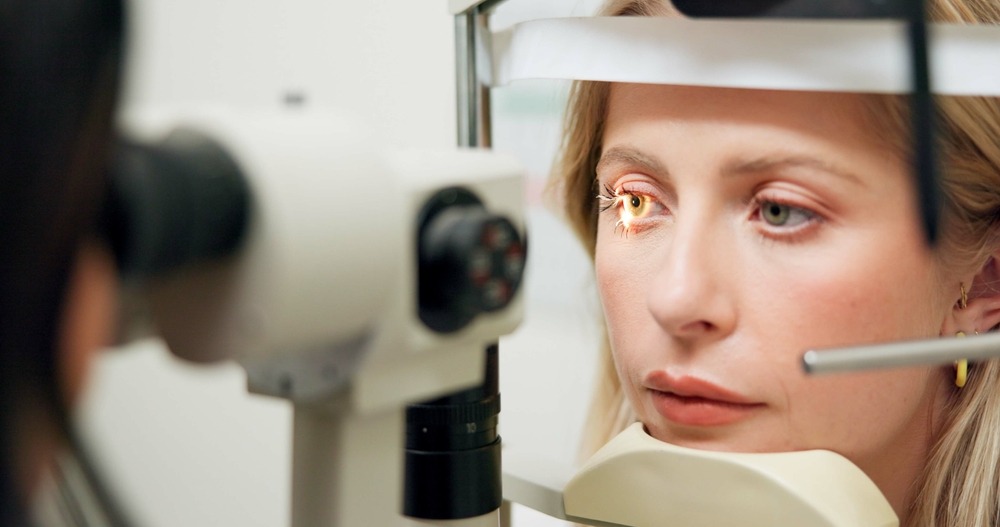
What makes MEC different
Patients choose MEC because we offer:
Thorough, personalized care — tailored to you, thoughtfully paced
Advanced diagnostics — technology that supports precise decisions
Clear, practical guidance — straightforward answers and a plan
Premium eyewear + expert fitting — curated frames, fitted properly
Dry Eye Clinic — focused evaluation and in-office options
Advanced retinal imaging (OCT/Optos) — detailed scans when needed
Same-day availability for something feels off — prompt evaluation, clear next stpes
What a comprehensive eye exam includes
A comprehensive exam evaluates how well you see today—and how healthy your eyes are for the long run. Depending on your needs, your visit may include:
Vision testing (distance and near)
Prescription check for glasses or contacts
Eye pressure testing and glaucoma risk screening
Eye muscle and focusing evaluation (especially for headaches, eye strain, or fatigue)
External eye evaluation (lids, lashes, and surface of the eye)
Internal eye health evaluation (retina and optic nerve)
Binocular vision testing
Advanced diagnostic imaging when appropriate to support accurate, detailed care
Who should get a comprehensive eye exam?
We recommend a comprehensive eye exam for patients age 5 and up—even if vision seems “fine.” It’s especially important if you:
Haven’t had an eye exam in a year (or longer)
Notice blurred vision, frequent prescription changes, or trouble reading
Have headaches, eye strain, or computer fatigue
Have dry, gritty, burning, watery, or irritated eyes
Have diabetes, high blood pressure, or a family history of eye disease
Wear contact lenses or want to explore specialty lens options
Are 40+ and want proactive monitoring for long-term eye health
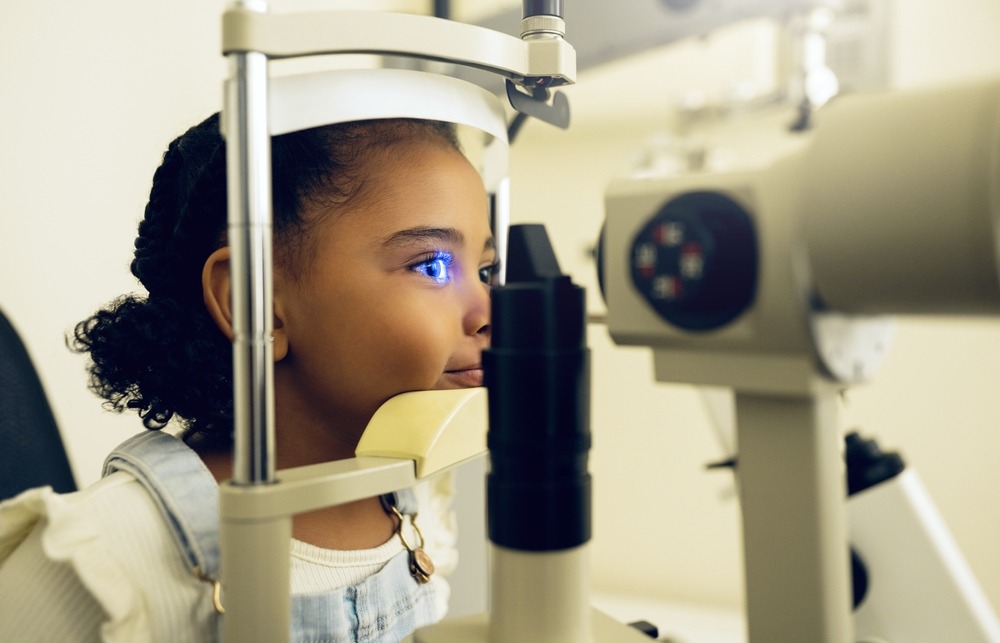
How often should you get an exam?
For most patients, we recommend a comprehensive eye exam every year—even if your vision feels “fine.” If you have certain health conditions (like diabetes or high blood pressure), eye symptoms, or higher risk factors, we may recommend coming in sooner. Not sure what you need? We’ll guide you.
Your eyes are connected to your overall health
Even though you visit a separate office for eye care, your eyes shouldn’t be treated in isolation. We’ll review your overall health history, family history, and medications—along with conditions like diabetes or high blood pressure—because they can affect your eyes and your long-term vision.
We may also ask about lifestyle factors like smoking and sun exposure. It’s not small talk—those details help us interpret what we’re seeing and tailor your care more accurately.
FREQUENTLY ASKED QUESTIONS
Is a comprehensive eye exam just for glasses?
No. It includes your prescription and an eye health evaluation—so we can monitor changes and catch concerns earlier.
Will I get a glasses prescription?
If needed, yes. If your prescription changes, we’ll explain your options clearly—no pressure.
Do you treat dry eye?
Yes. If dryness or irritation is part of your symptoms, we can evaluate the underlying cause and recommend next steps that go beyond “just drops.”
Do you accept insurance?
Yes — we accept medical insurance. Your visit is billed through medical insurance when appropriate, based on your symptoms, medical history, and the services performed.
Even if you’re coming in for a routine exam, we evaluate overall eye health and vision and treat common concerns like dry eye, allergies, infections, cataracts, and other everyday eye issues. If you have specific risk factors or symptoms, your doctor may recommend additional testing to fully evaluate your eyes.
For vision plans, we don’t participate as an in-network provider. That said, many plans still offer out-of-network benefits. We work with Anagram to make reimbursement as smooth as possible when your plan allows it, and our team can walk you through what to expect before your visit.
What is advanced retinal imaging?
Advanced retinal imaging gives your doctor a detailed look at the retina and optic nerve, the structures at the back of the eye where many diseases first show signs. Every comprehensive eye exam at Michigan Eye Consultants includes Optos ultra-widefield imaging, which captures a broad view of the retina. For patients with certain health conditions or a personal or family history of eye disease, we may also recommend an OCT scan, an optional test that produces detailed cross-sectional images of the retinal layers and optic nerve. These images help us spot changes early, set a baseline for your eyes, and compare results over time.
Learn More
Can an eye exam detect glaucoma before I notice symptoms?
Yes. Glaucoma often develops gradually, without pain or noticeable vision changes in its early stages. During your exam, we check your eye pressure and evaluate the optic nerve, and we may recommend an OCT scan when findings need a closer look. Catching glaucoma early gives us the best chance to protect your vision.
Learn More
Do you offer diabetic eye exams?
Yes. Diabetes can damage the blood vessels in the retina, sometimes before you notice any change in your vision. Our diabetic eye exams check for and monitor conditions such as diabetic retinopathy and macular edema. We recommend a diabetic eye exam at least once a year, or more often if your doctor advises.
Learn More
Can an eye exam help with headaches or eye strain?
Yes. Frequent headaches, tired eyes, and trouble focusing at the computer can be related to your prescription or to how your eyes work together. Every comprehensive eye exam at Michigan Eye Consultants includes a Neurolens screening, which measures subtle eye misalignment that standard testing can miss. If we find misalignment, your doctor will explain whether Neurolens lenses may help.
Learn More
What causes blurry vision or glare when driving at night?
Blurry vision and glare from headlights can come from prescription changes, dry eye, cataracts, or other eye conditions, and your exam helps us find the cause. If cataracts are affecting your vision, we'll evaluate them, refer you to a cataract surgeon we work with closely, and provide your follow-up care after surgery. Sudden vision loss needs immediate medical attention.
Learn More
When should my child have their first eye exam?
We see children for comprehensive eye exams starting at age 5, and sooner if you notice signs like squinting, an eye that turns in or out, or trouble reading. We check visual clarity, eye alignment, focusing, and overall eye health. For children whose nearsightedness is increasing, we also offer myopia management.
Learn More
Can I have my eyes checked for contact lenses at the same visit?
Yes. A contact lens exam starts with a comprehensive eye exam and adds the measurements and fitting needed for a contact lens prescription. Let us know when you book that you'd like to be evaluated for contacts.
Learn More
What should I bring to my eye exam?
Bring your current glasses and contact lenses (or the lens boxes), a list of your medications, your medical insurance or Medicare card, and any previous eye records you have. It also helps to note any symptoms, vision concerns, or family history of eye disease so we can make the most of your visit.
Why choose Michigan Eye Consultants for your eye exam?
Patients choose us for thorough, doctor-led exams that look at both your vision and the long-term health of your eyes. We offer advanced retinal imaging, Neurolens screening, a dedicated Dry Eye Clinic, and same-day availability when something feels off. We accept Medicare and most major medical insurance, and we offer weekday and Saturday appointments. New patients are welcome at our Madison Heights office, minutes from Royal Oak, Troy, Birmingham, and Bloomfield Hills.
Schedule your comprehensive eye exam
If it’s been a while—or you want a more thorough, boutique experience—Michigan Eye Consultants is here for you.
Book now!
Quick Links
Helpful Articles

All Eye Care Services
Find personalized eye care excellence with our comprehensive services. From eye exams to advanced diagnostics, trust us for all your vision needs.

Keep In Touch
For non-urgent questions or to learn more about our services, contact us today!

© 2026 Michigan Eye Consultants. All rights Reserved - Accessibility Statement - Privacy Policy - Sitemap
Managed and Designed by 
Michigan Eye Consultants
Patient Advisor
Online
Hello!I'm the MEC Patient Advisor. I can answer questions about our Advanced Dry Eye Program,Neurolens,specialty lenses,pricing,and help get you scheduled with Dr. Wong. What brings you in today?