
Summer Dry Eye: Why the Season Makes It Worse | Michigan Eye Consultants – Madison Heights, MI
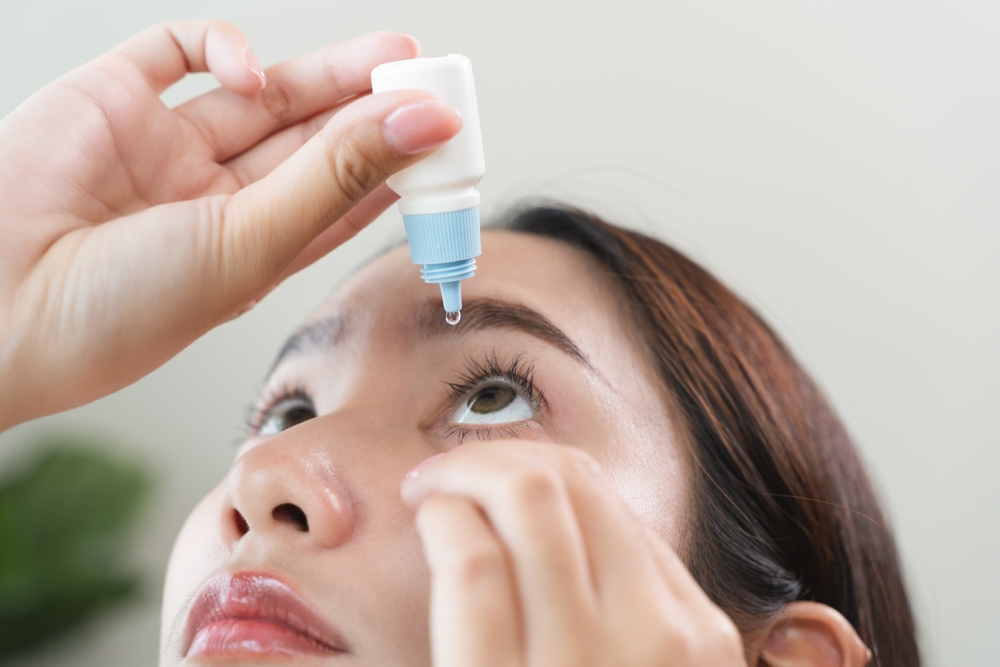
Summer Dry Eye: Why the Season Makes It Worse
If your eyes feel gritty, burning, or watery every summer, you're not imagining it. Most people associate dry eye with winter heaters and cold wind, but summer brings its own set of triggers — and for many patients here in Metro Detroit, it's actually the toughest season of the year for their eyes.
At Michigan Eye Consultants in Madison Heights, we see a noticeable rise in dry eye flare-ups every June through August. Here's why the season works against your tear film, why the drugstore drops you keep buying aren't solving the problem, and what actually addressing the root cause looks like.
Air Conditioning and Fans: Comfort for You, Trouble for Your Tears
Your tear film is a thin, delicate layer of moisture that protects the surface of your eyes. Anything that moves air across your face — a car AC vent, a ceiling fan, an oscillating fan pointed at your bed — speeds up tear evaporation.
Air conditioning adds a second problem: it strips humidity out of the air. So you're getting a double hit — drier air plus constant airflow. If you sleep with a fan on and wake up with burning, sandy-feeling eyes, that's tear evaporation happening overnight, when your blink reflex isn't there to replenish the surface.
Sun and Wind: Hard on Your Meibomian Glands
Along the edges of your eyelids sit tiny structures called meibomian glands. Their job is to release a thin layer of oil with every blink. That oil layer sits on top of your tears and keeps them from evaporating too quickly. When these glands become inflamed or blocked — a condition called meibomian gland dysfunction (MGD) — your tears evaporate faster than your eyes can produce them. MGD is the underlying driver in the majority of dry eye cases.
Summer is rough on these glands. UV exposure contributes to inflammation along the eyelid margins, and wind — whether you're boating, biking, golfing, or riding with the windows down — physically dries and irritates the ocular surface. Quality sunglasses with UV protection help shield your eyes (and our optical team can help you find a pair that actually wraps enough to block wind), but sunglasses alone can't unblock glands that are already struggling.
Pool Chemicals: Why Your Eyes Burn After Swimming
Chlorine and other pool chemicals disrupt the tear film directly. They can wash away the protective oil and mucus layers, leaving the eye's surface exposed and irritated. If your eyes stay red and scratchy for hours after swimming, your tear film is taking longer and longer to recover — often a sign it was already compromised before you got in the water.
Swim goggles help, and rinsing your closed eyes with clean water after swimming is a smart habit. But again — if your eyes bounce back slowly every time, that points to an underlying tear film problem, not just a chlorine problem.
Why Over-the-Counter Drops Aren't Fixing It
Here's the pattern we hear constantly: "I've tried every drop at the pharmacy. They work for twenty minutes, then my eyes feel dry again."
That's because artificial tears add temporary moisture — they don't do anything about why your tears are evaporating in the first place. If blocked or inflamed meibomian glands are the problem, no bottle of drops will unblock them. Drops manage the symptom. They don't treat the dysfunction.
And there's a real cost to waiting: meibomian glands that stay blocked long enough can atrophy over time. Gland tissue that's lost doesn't come back, which is why we encourage patients not to spend years cycling through drugstore drops before getting the underlying cause evaluated.
What a Dry Eye Evaluation Actually Looks At
A dry eye evaluation at Michigan Eye Consultants goes far beyond "do your eyes feel dry?" Dr. Wong assesses the specific mechanics of your tear film so treatment can target the actual cause. That typically includes:
Tear film stability — checking how quickly your tears break down between blinks.
Meibomian gland structure and function — imaging and expressing the glands to see whether they're blocked, inflamed, or producing poor-quality oil.
Eyelid margin inflammation — looking for redness, telangiectasia (visible tiny blood vessels), and signs of blepharitis that keep the glands inflamed.
Ocular surface health — checking for dryness-related damage to the cornea and conjunctiva.
The result isn't a generic "you have dry eye." It's a clear picture of which part of the system is failing — which is what determines the right treatment.
Treating the Cause: IPL, RF, and LLLT
Michigan Eye Consultants offers advanced in-office dry eye treatment using the iPro Elite system, which combines three technologies that work on the root cause rather than the symptoms:
IPL (Intense Pulsed Light) — uses precise pulses of light to calm the inflammation and abnormal blood vessels along the eyelid margins that keep meibomian glands from working properly.
RF (Radiofrequency) — delivers controlled, deep warmth to the eyelids, helping soften hardened oil in the glands so they can flow again.
LLLT (Low-Level Light Therapy) — uses gentle light-based warming to support gland function and comfort — a relaxed, mask-style treatment many patients find genuinely pleasant.
Treatments are performed in-office by our trained staff, with your plan directed by Dr. Wong and tailored to what your evaluation actually shows. Most patients complete a short series of sessions, and because these treatments address gland function itself, the goal is lasting relief — not another twenty minutes of comfort from a bottle.
Flexible Payment Options for Treatment
We want cost to be the last thing standing between you and comfortable eyes. Michigan Eye Consultants offers CareCredit and Affirm financing for dry eye treatment, so you can break treatment into manageable payments. Our team is happy to walk you through both options at your visit.
Don't Spend Another Summer Fighting Your Eyes
If summer means burning, gritty, watery, or tired eyes — and the drops aren't cutting it — it's time to find out what's actually going on. Dry eye is progressive, but it's also very treatable when the real cause is identified.
Schedule your dry eye evaluation with Dr. Wong today. Book online at michiganeyeconsultants.com/mecappt.html or call 586-745-0863. We're located at 29273 Dequindre Rd in Madison Heights and open every Saturday — serving patients from Madison Heights, Troy, Royal Oak, Birmingham, Bloomfield Hills, and across Metro Detroit.
Summer Dry Eye Q&A
Q: Why are my eyes worse in summer if dry eye is a "winter" problem?
A: Winter dry eye gets more attention, but summer stacks several triggers at once: air conditioning that dries the air, fans and car vents that speed evaporation, UV and wind exposure that inflame the eyelid glands, and pool chemicals that strip the tear film. If your tear film is already compromised, summer exposes it.
Q: My eyes water constantly. How can that be dry eye?
A: Watery eyes are one of the most common dry eye symptoms. When the surface of your eye gets irritated from a poor tear film, it triggers reflex tearing — a flood of watery tears that lack the oil layer needed to actually protect the eye. Watering is often your eye crying for help, literally.
Q: Can't I just use better eye drops?
A: Quality preservative-free artificial tears can be a helpful part of a treatment plan, but on their own they only add temporary moisture. If your meibomian glands are blocked or inflamed, drops won't restore their function — and untreated gland dysfunction can worsen over time.
Q: What is IPL treatment like? Does it hurt?
A: IPL is a quick in-office treatment. Most patients describe the light pulses as a brief warm sensation — very tolerable, with no downtime. Treatments are performed by our trained staff, and Dr. Wong will walk you through exactly what to expect at your evaluation.
Q: How soon will I notice results?
A: It varies by patient and by how advanced the gland dysfunction is. Many patients notice improvement partway through their treatment series, with results building as inflammation settles and the glands begin flowing normally again. Your evaluation gives us a baseline so progress can be tracked objectively.
Q: Is dry eye treatment expensive?
A: Treatment plans vary based on what your evaluation shows, and we'll go over everything clearly before you commit to anything. We offer CareCredit and Affirm financing so treatment can fit your budget with manageable payments.
Q: Do I need a referral for a dry eye evaluation?
A: No referral needed. Call 586-302-3222 or book directly at michiganeyeconsultants.com/mecappt.html — and yes, we're open every Saturday.
Quick Links
Helpful Articles
article_category: products
article_category: psychiatry
article_category: faqs
article_category: cats
article_category: general
article_category: services
article_category: technology
article_category: dogs
article_category: restorative
article_category: vision therapy
article_category: contact lenses
article_category: health
article_category: conditions
article_category: eye surgery co-management
article_category: exotic
article_category: cosmetic
article_category: surgical procedures
article_category: aesthetics
article_category: preventative
article_category: ocular disease management
article_category: eyeglasses
article_category: eye health
article_category: large animal
[]
article_category: psychiatry
article_category: faqs
article_category: cats
article_category: general
article_category: services
article_category: technology
article_category: dogs
article_category: restorative
article_category: vision therapy
article_category: contact lenses
article_category: health
article_category: conditions
article_category: eye surgery co-management
article_category: exotic
article_category: cosmetic
article_category: surgical procedures
article_category: aesthetics
article_category: preventative
article_category: ocular disease management
article_category: eyeglasses
article_category: eye health
article_category: large animal
[]
Flowbite is an open-source library of interactive components built on top of Tailwind CSS including buttons, dropdowns, modals, navbars, and more.
Check out this guide to learn how to get started and start developing websites even faster with components on top of Tailwind CSS.

All Eye Care Services
Find personalized eye care excellence with our comprehensive services. From eye exams to advanced diagnostics, trust us for all your vision needs.

Keep In Touch
For non-urgent questions or to learn more about our services, contact us today!

© 2026 Michigan Eye Consultants. All rights Reserved - Accessibility Statement - Privacy Policy - Sitemap
Managed and Designed by 
Michigan Eye Consultants
Patient Advisor
Online
Hello!I'm the MEC Patient Advisor. I can answer questions about our Advanced Dry Eye Program,Neurolens,specialty lenses,pricing,and help get you scheduled with Dr. Wong. What brings you in today?