
More Than Meets the Eye — Women’s Eye Health

When we talk about women’s wellness, the conversation usually centers around the heart, hormones, and that annual visit to your OB-GYN. And while all of that matters deeply — there’s one area that quietly gets left off the list.
Your eyes.
Here’s what most women don’t know: nearly two-thirds of all blindness and visual impairment worldwide affects women. Not because women are less vigilant about their health — but because the specialized needs of the female eye have been chronically overlooked, underdiscussed, and undertreated.
At Michigan Eye Consultants, we’re changing that conversation. Because your vision is one of your most valuable assets — and it deserves the same intention, care, and expertise you bring to every other part of your wellness routine.
Your Eyes Are Uniquely Yours — And Uniquely at Risk
Biology, hormones, and the natural arc of a woman’s life all shape how your eyes function and age. From puberty to pregnancy to menopause, hormonal shifts directly influence tear production, lens shape, and even how your prescription changes over time. Add in the fact that women tend to live longer than men, and the window of risk for developing serious eye conditions grows accordingly.
This isn’t about fear — it’s about being informed. Understanding your risk is the first and most empowering step toward protecting your vision for life.
Eye Conditions Women Are More Likely to Develop
Dry Eye Disease
Dry eye is one of the most common — and most undertreated — conditions in women’s eye health. Hormonal fluctuations tied to pregnancy, birth control, and menopause directly affect the meibomian glands, which are responsible for the oily layer of your tear film. When those glands are compromised, tears evaporate too quickly, leaving eyes red, irritated, and chronically uncomfortable.
What many women don’t realize is that dry eye isn’t just an inconvenience — it’s a progressive condition that worsens without proper treatment. Stinging, burning, fluctuating vision, and light sensitivity are all signs your eyes are asking for more than a bottle of artificial tears.
Age-Related Macular Degeneration (AMD)
AMD is the leading cause of vision loss in adults over 50 — and women are more likely to develop it than men. Because women live longer on average, there are simply more years of exposure to the risk factors that accelerate AMD. Early detection through consistent eye care is everything, as most patients experience no symptoms until meaningful vision loss has already occurred.
Glaucoma
Women face a higher lifetime risk of certain types of glaucoma, including acute angle-closure glaucoma — a condition that can come on suddenly and requires immediate medical attention. Glaucoma is often called the silent thief of sight for good reason. Routine screenings are the only reliable way to catch it before irreversible damage is done.
Cataracts
Women develop cataracts at higher rates than men, and research points to the drop in estrogen during menopause as a contributing factor in earlier onset. Consistent monitoring allows your eye care team to track progression and plan thoughtfully ahead of time.
Autoimmune-Related Eye Conditions
Women are disproportionately affected by autoimmune diseases — lupus, rheumatoid arthritis, Sjögren’s syndrome, thyroid disease — all of which can have significant effects on eye health. Sjögren’s syndrome in particular directly targets the body’s moisture-producing glands and is a major driver of severe dry eye in women. If you’re managing an autoimmune condition, your eye health deserves a seat at the table in your broader care plan.
The Hormone Connection Nobody’s Talking About
Hormones don’t just influence your mood and your cycle — they influence your eyes, too. Here’s how life’s major hormonal milestones can show up in your vision:
Pregnancy
Pregnancy can bring temporary prescription changes, increased dry eye symptoms, and corneal shifts related to fluid retention. It’s also why we recommend waiting until after pregnancy and breastfeeding to pursue elective procedures like LASIK.
Birth Control and Hormone Therapy
Birth control and hormone therapy can trigger or worsen dry eye in some women. If you’ve recently started a new hormonal medication and noticed changes in how your eyes feel, bring it up at your next visit — it’s more connected than you might think.
Perimenopause and Menopause
Perimenopause and menopause usher in a significant drop in estrogen and androgens, both of which support healthy tear production. This is often when dry eye symptoms escalate most dramatically — and when a curated, proactive treatment plan makes the most meaningful difference.
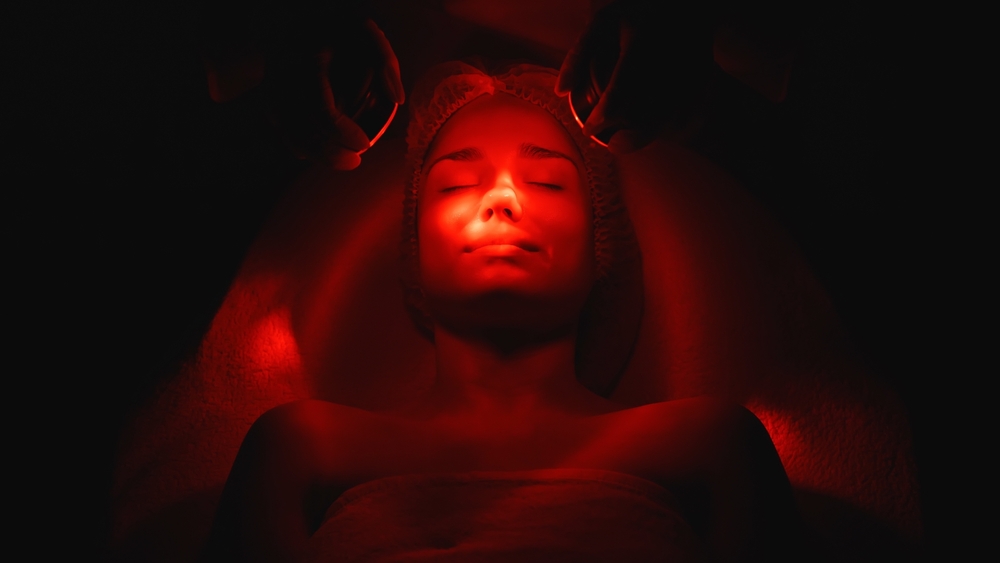
Introducing Our Eye Spa — Advanced Care, Thoughtfully Delivered
If you’ve been living with dry, irritated, or uncomfortable eyes and feel like you’ve exhausted every option — drops, gels, warm compresses — with little lasting relief, there’s a reason. Off-the-shelf solutions were never designed to address the root cause.
At Michigan Eye Consultants, our Eye Spa is a boutique treatment experience built around you. Every plan begins with a thorough diagnostic evaluation so we understand exactly what’s driving your symptoms — and every treatment is selected with intention.
IPL — Intense Pulsed Light Therapy
IPL delivers gentle pulses of light to target the inflammation and gland dysfunction at the root of most dry eye cases. By addressing the underlying triggers that cause meibomian gland blockage, IPL helps restore healthy oil production and dramatically improves tear film stability. Most patients notice meaningful improvement after just a few sessions.
RF — Radiofrequency Therapy
Radiofrequency treatment uses controlled heat energy to soften blocked gland secretions and stimulate collagen production in the eyelid area. Paired with IPL, RF creates one of the most effective combination approaches available for moderate to severe dry eye — addressing both the glands and the surrounding tissue.
LLLT — Low-Level Light Therapy
Low-level light therapy harnesses targeted wavelengths of light to reduce inflammation, improve circulation, and support cellular repair in the eyelid tissue. It’s gentle, non-invasive, and an elegant option for patients with sensitive skin or those in the earlier stages of dry eye progression.
Together, these three therapies form a comprehensive, clinically supported approach to treating dry eye at its source. This isn’t symptom management — it’s real, lasting relief.
Your Annual Eye Exam Is One of the Most Powerful Things You Can Do for Your Health
Here’s the truth: the most serious eye conditions — glaucoma, macular degeneration, diabetic eye disease — develop quietly, with no noticeable symptoms in their early stages. By the time something feels wrong, significant damage has often already occurred.
Your annual comprehensive eye exam is not simply about refreshing your glasses prescription. It’s a full evaluation of the health of your eyes — inside and out. It’s how we detect early signs of disease before they become vision loss. It’s how we track changes over time and catch the trends that matter most.
For women especially, that annual visit is one of the most high-value forms of preventative care available. And it fits into your afternoon.
Michigan Eye Consultants accepts Medicare, Medicare Advantage, and most major commercial medical insurance plans — so your comprehensive eye exam may already be covered. Ask our team about your benefits when you call.
Q&A: Your Questions, Answered
Q: I don’t wear glasses or contacts. Do I still need an annual exam?
Yes — and this is one of the most important things we want women to hear. Vision correction is just one small piece of what a comprehensive eye exam addresses. We’re evaluating the health of your retina, optic nerve, cornea, and tear film — none of which require a prescription to be at risk. The most serious eye diseases develop without any change in how clearly you see until damage is already done.
Q: I’ve had dry eyes for years. Is it worth actually treating, or just something I manage?
Dry eye is a progressive condition — it tends to worsen over time without proper intervention. If you’ve been relying on artificial tears for months or years, you deserve more than a temporary fix. A comprehensive dry eye evaluation gives us a clear picture of what’s driving your symptoms, and our advanced treatment options — IPL, RF, and LLLT — are designed to address the source, not just the surface.
Q: My mother had macular degeneration. Am I at higher risk?
Family history is one of the most significant risk factors for AMD. If a first-degree relative has been diagnosed, your risk is meaningfully elevated — which makes consistent annual care even more essential. We may also recommend additional imaging or monitoring based on your personal and family history. Early detection is everything with AMD.
Q: My vision has been blurry during my pregnancy. Should I be concerned?
Hormonal shifts during pregnancy can temporarily alter your prescription, and fluid retention can affect the shape of the cornea. In most cases, these changes resolve after delivery and breastfeeding. That said, any sudden or significant vision changes during pregnancy should be evaluated promptly — certain conditions like preeclampsia can present with visual symptoms that require immediate attention.
Q: At what age should I start being proactive about eye disease?
Now. Truly — the habits and care you invest in today directly shape your eye health decades from now. We recommend annual comprehensive exams for adults of all ages. As you move into your 40s and 50s, screenings for glaucoma, AMD, and dry eye become especially important. Prevention is always more powerful than intervention.
Q: How do I know if the Eye Spa is right for me?
The best place to start is a comprehensive dry eye evaluation at our office. We use advanced diagnostic tools to assess the quality of your tear film and the health of your meibomian glands, and we’ll give you a clear, honest picture of what we find. From there, we curate a treatment plan around your unique needs, lifestyle, and goals — because no two patients are exactly alike.
You Show Up for Every Other Aspect of Your Health. Show Up for Your Eyes, Too.
You schedule your annual physical. You prioritize your dental cleanings. You stay current on the screenings that matter.
Your eyes deserve that same energy.
Women carry a disproportionate share of the world’s vision loss — and a disproportionate share of it is preventable. The most powerful thing you can do is make the appointment, ask the questions, and let us help you stay ahead of what’s coming.
At Michigan Eye Consultants, we’re here for all of it — from your annual comprehensive exam, to monitoring and managing conditions that evolve over time, to advanced dry eye treatments that go far beyond the drop aisle. We offer personalized, curated treatment plans that get to the root of what’s driving your symptoms, because a band-aid solution was never really a solution at all.
Your vision is one of your greatest assets. It deserves more than a once-in-a-while check-in — and so do you.
👁️ Ready to Invest in Your Eye Health?
Your vision is worth protecting — and we’re here to help you do exactly that. Whether you’re due for your annual exam, curious about our Eye Spa, or ready to finally find lasting relief, Michigan Eye Consultants is your partner in long-term eye wellness.
Schedule your appointment online — it only takes a moment.
📅 Book Your Appointment at Michigan Eye Consultants
Call us: (586) 302-3222
29273 Dequindre Rd, Madison Heights, MI 48071
Michigan Eye Consultants — Elevated Eye Care for Every Stage of Life.
Quick Links
Helpful Articles
article_category: products
article_category: psychiatry
article_category: faqs
article_category: cats
article_category: general
article_category: services
article_category: technology
article_category: dogs
article_category: restorative
article_category: vision therapy
article_category: contact lenses
article_category: health
article_category: conditions
article_category: eye surgery co-management
article_category: exotic
article_category: cosmetic
article_category: surgical procedures
article_category: aesthetics
article_category: preventative
article_category: ocular disease management
article_category: eyeglasses
article_category: eye health
article_category: large animal
[]
article_category: psychiatry
article_category: faqs
article_category: cats
article_category: general
article_category: services
article_category: technology
article_category: dogs
article_category: restorative
article_category: vision therapy
article_category: contact lenses
article_category: health
article_category: conditions
article_category: eye surgery co-management
article_category: exotic
article_category: cosmetic
article_category: surgical procedures
article_category: aesthetics
article_category: preventative
article_category: ocular disease management
article_category: eyeglasses
article_category: eye health
article_category: large animal
[]
Flowbite is an open-source library of interactive components built on top of Tailwind CSS including buttons, dropdowns, modals, navbars, and more.
Check out this guide to learn how to get started and start developing websites even faster with components on top of Tailwind CSS.

All Eye Care Services
Find personalized eye care excellence with our comprehensive services. From eye exams to advanced diagnostics, trust us for all your vision needs.

Keep In Touch
For non-urgent questions or to learn more about our services, contact us today!

© 2026 Michigan Eye Consultants. All rights Reserved - Accessibility Statement - Privacy Policy - Sitemap
Managed and Designed by 
Michigan Eye Consultants
Patient Advisor
Online
Hello!I'm the MEC Patient Advisor. I can answer questions about our Advanced Dry Eye Program,Neurolens,specialty lenses,pricing,and help get you scheduled with Dr. Wong. What brings you in today?