
The Silent Thief of Sight: What You Need to Know About Glaucoma
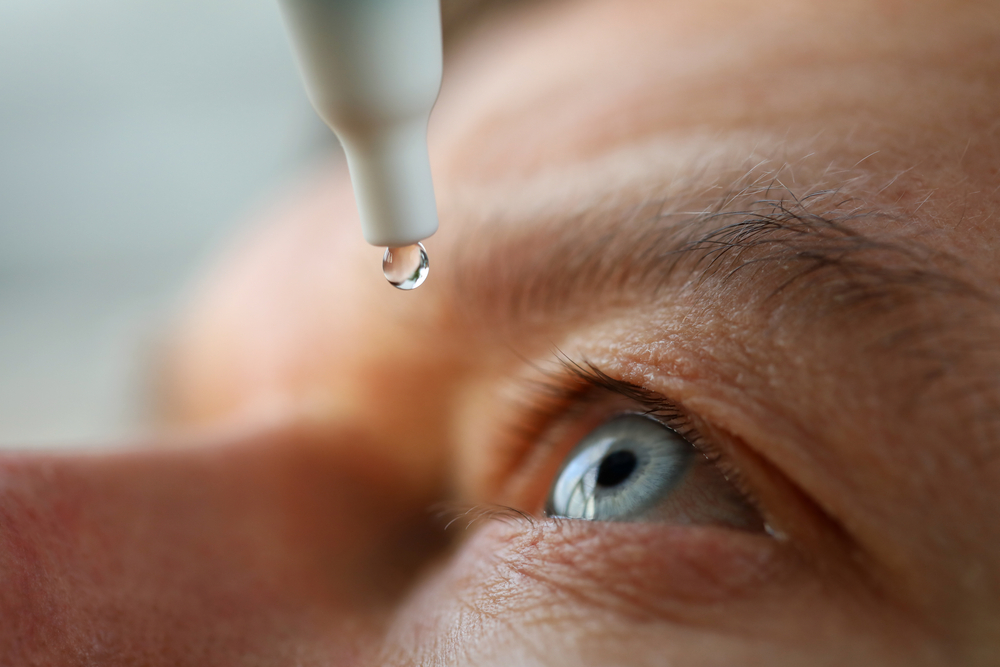
Most eye problems give you a reason to call. Something blurs, something burns, something changes. Glaucoma is different — and that difference is exactly what makes it dangerous. In its most common form, glaucoma causes no pain, no early blur, and no warning. By the time most people notice something is wrong, permanent vision loss has already happened.
That's why glaucoma is often called the "silent thief of sight." It's also why I tell every patient over 40 the same thing: the annual comprehensive eye exam is the defense. There is no symptom to wait for. One visit a year is the entire strategy — and it works.
What Is Glaucoma?
Glaucoma is a group of eye diseases that damage the optic nerve — the cable that carries everything you see from your eye to your brain. In most cases, that damage is linked to pressure inside the eye that's higher than the optic nerve can tolerate. Once nerve fibers are lost, they don't grow back, which is why vision lost to glaucoma cannot be restored — it can only be protected going forward.
The most common form, open-angle glaucoma, progresses slowly over years. It typically starts by eroding peripheral (side) vision so gradually that your brain fills in the gaps. Central vision — reading, faces, driving — is usually affected last, which is why people can lose a significant amount of vision before anything feels wrong.
The good news: caught early, glaucoma is very manageable. Prescription eye drops, laser procedures, and other treatments can control eye pressure and preserve the vision you have — often for the rest of your life. Early detection changes everything.
Who's at Risk for Glaucoma?
Anyone can develop glaucoma, but your risk rises meaningfully if any of these apply:
Age 40 and older — risk climbs with every decade, which is why screening becomes part of every comprehensive exam from 40 on.
Family history — a parent or sibling with glaucoma significantly raises your risk. If glaucoma runs in your family, your screening schedule shouldn't look like everyone else's.
African American or Hispanic heritage — glaucoma tends to occur earlier and progress faster in these groups.
Diabetes — elevated risk for several forms of glaucoma.
High nearsightedness (myopia) — strongly nearsighted eyes carry additional risk.
Long-term steroid use, past eye injury, or thin corneas — all worth discussing at your exam.
If one or more of these describes you and you haven't had a comprehensive eye exam in the past year, that's your sign. It really is that simple.
Over 40, or does glaucoma run in your family?
Schedule your comprehensive eye exam today.
Call 586-302-3222 or book online at michiganeyeconsultants.com/mecappt.html
Weekday and Saturday appointments available in Madison Heights.
How We Screen for Glaucoma (No Air Puff, We Promise)
If your memory of glaucoma testing is a startling puff of air, I have good news: modern screening is quiet, comfortable, and far more informative. At our Madison Heights office, glaucoma screening is built into every comprehensive eye exam and typically includes:
OCT retinal imaging — a five-minute scan that measures the nerve fiber layer of your optic nerve in microscopic detail. OCT can reveal glaucoma damage years before you would notice any change in your vision, and it gives us a baseline to compare against year over year.
Eye pressure measurement — done with gentle modern instruments, not the old air puff.
Optic nerve evaluation — a direct look at the health of the nerve itself.
Visual field testing when indicated — mapping your peripheral vision to detect any early loss.
None of it hurts. Most of it takes minutes. And together, these tests can catch glaucoma at the stage where treatment protects nearly everything.
What Happens If We Find Something?
First: finding early signs of glaucoma is a good outcome, not a bad one — it means we caught it while there's the most vision to protect. Depending on what we see, next steps may include more frequent monitoring, prescription eye drops to lower eye pressure, or coordination with a trusted specialist for laser or surgical options when appropriate. We'll walk you through every finding in plain English and build a plan that fits your situation.
Medicare and medical insurance are accepted at our office, and our team handles the paperwork. For any out-of-pocket portions of your care, we also offer CareCredit and Affirm financing — cost should never be the reason glaucoma goes unchecked.
Glaucoma Questions We Hear All the Time (Q&A)
Q: What are the early symptoms of glaucoma?
A: For the most common form — open-angle glaucoma — there are essentially none. No pain, no redness, no early blur. That's precisely why annual screening matters: the exam finds what you can't feel. (A rarer form, angle-closure glaucoma, can cause sudden eye pain, halos around lights, headache, and nausea — that's a medical emergency, and you should seek care immediately.)
Q: Can glaucoma be cured?
A: No — but it can be controlled, often very well. Treatment can't restore vision that's already lost, which is the entire argument for early detection. Caught early and managed consistently, most people with glaucoma keep functional vision for life.
Q: How often should I be screened for glaucoma?
A: For most adults, glaucoma screening as part of an annual comprehensive eye exam is appropriate — especially from age 40 on. If you have a family history or other risk factors, we may recommend more frequent monitoring. We'll set the right schedule for you at your exam.
Q: Does the glaucoma test still involve the air puff?
A: Not at our office. We measure eye pressure with modern, gentle instruments, and our OCT imaging does the heavy lifting — no puff required. It's the question we're asked most, and the answer genuinely delights people.
Q: Does Medicare cover glaucoma screening?
A: Medicare covers eye exams that are medically necessary — for example, when we're evaluating or monitoring a condition like glaucoma — and it includes a yearly glaucoma screening benefit for people at higher risk, such as those with a family history or diabetes. We accept Medicare and Medicare Advantage, and our team verifies exactly what your plan covers before your visit — just bring your card and we'll handle the paperwork.
Q: Glaucoma runs in my family. What should I do differently?
A: Start screening earlier and keep it consistent. A first-degree relative with glaucoma (parent or sibling) can raise your risk severalfold, so tell us at your exam — it changes how closely we monitor your optic nerve and pressure over time. The right response to family history isn't worry; it's a calendar.
Don't Wait for a Warning That Isn't Coming
Glaucoma won't tap you on the shoulder. It won't blur your Tuesday or ache on the weekend. The only reliable way to catch it is to look for it — and that takes one appointment a year.
If you're over 40, if glaucoma runs in your family, or if you simply can't remember your last comprehensive eye exam, book one this week. Michigan Eye Consultants is located at 29273 Dequindre Rd in Madison Heights, proudly serving Troy, Royal Oak, Warren, and the greater Metro Detroit area — with weekday and Saturday appointments so your schedule is never the obstacle.
Protect your vision before anything changes.
Book your comprehensive eye exam with glaucoma screening:
586-302-3222 · michiganeyeconsultants.com/mecappt.html
Michigan Eye Consultants · 29273 Dequindre Rd, Madison Heights, MI · 586-302-3222 · Open every Saturday 9:30–4
Quick Links
Helpful Articles
article_category: products
article_category: psychiatry
article_category: faqs
article_category: cats
article_category: general
article_category: services
article_category: technology
article_category: dogs
article_category: restorative
article_category: vision therapy
article_category: contact lenses
article_category: health
article_category: conditions
article_category: eye surgery co-management
article_category: exotic
article_category: cosmetic
article_category: surgical procedures
article_category: aesthetics
article_category: preventative
article_category: ocular disease management
article_category: eyeglasses
article_category: eye health
article_category: large animal
[]
article_category: psychiatry
article_category: faqs
article_category: cats
article_category: general
article_category: services
article_category: technology
article_category: dogs
article_category: restorative
article_category: vision therapy
article_category: contact lenses
article_category: health
article_category: conditions
article_category: eye surgery co-management
article_category: exotic
article_category: cosmetic
article_category: surgical procedures
article_category: aesthetics
article_category: preventative
article_category: ocular disease management
article_category: eyeglasses
article_category: eye health
article_category: large animal
[]
Flowbite is an open-source library of interactive components built on top of Tailwind CSS including buttons, dropdowns, modals, navbars, and more.
Check out this guide to learn how to get started and start developing websites even faster with components on top of Tailwind CSS.

All Eye Care Services
Find personalized eye care excellence with our comprehensive services. From eye exams to advanced diagnostics, trust us for all your vision needs.

Keep In Touch
For non-urgent questions or to learn more about our services, contact us today!

© 2026 Michigan Eye Consultants. All rights Reserved - Accessibility Statement - Privacy Policy - Sitemap
Managed and Designed by 
Michigan Eye Consultants
Patient Advisor
Online
Hello!I'm the MEC Patient Advisor. I can answer questions about our Advanced Dry Eye Program,Neurolens,specialty lenses,pricing,and help get you scheduled with Dr. Wong. What brings you in today?