
Avulux Original vs. Adapt vs. Atlas: Which Migraine Lens Is Right for You?
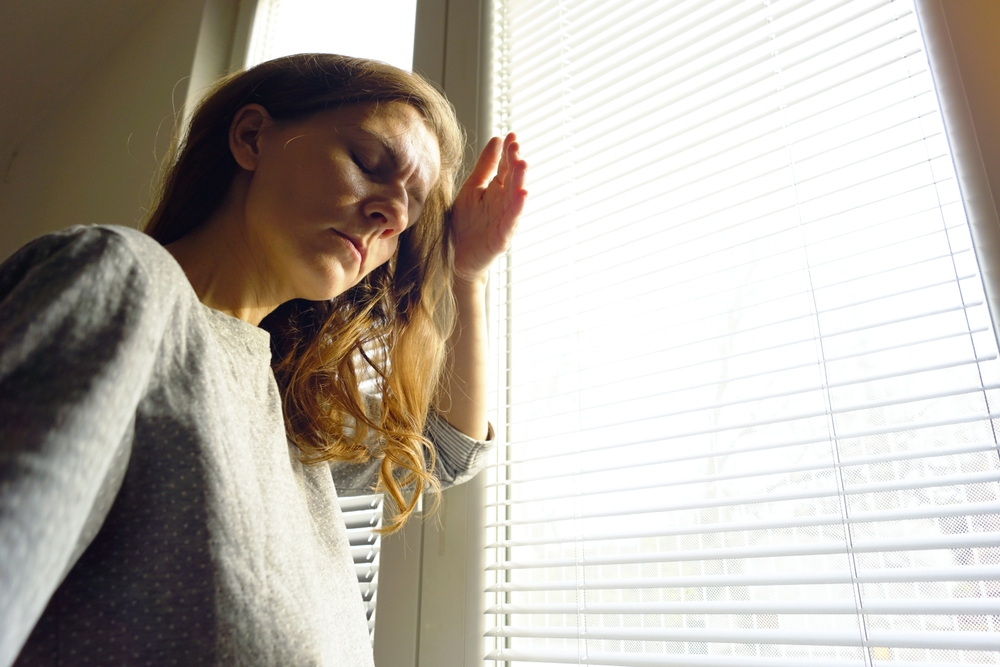
If you live with migraines, you probably already know that light can make everything worse. The glow of a laptop, the hum of fluorescent lights at work, stepping out of the grocery store into the bright afternoon sun. For many of my patients, light is not just uncomfortable. It is one of the triggers they deal with every day.
Fall tends to bring this up more often in my exam room, and there is a reason for it. Once we get past the first day of fall, we lose a noticeable chunk of daylight every week. I hear it from patients all the time: the sun seems to sit right at eye level on the way to work and again on the way home. Kids are back in classrooms, adults are back under office lighting, and shorter days mean more hours in front of screens and indoor lights. If your light sensitivity feels worse this time of year, you are not imagining it.
Then comes Halloween, which I love, but it is not always kind to sensitive eyes. Blinking string lights, pulsing yard displays, and those strobing decorations in store aisles are a lot to take in. If flashing light tends to bring on a migraine for you, October can be a tough month.
That is why we carry Avulux lenses at Michigan Eye Consultants, and why I want to walk you through the three options so you can figure out which one fits your life.
Why light and migraines are connected
Sensitivity to light, called photophobia, is one of the most common symptoms people report during a migraine, and for many people it continues between attacks too. Not all light affects you the same way. Certain wavelengths are more likely to feel painful or set off symptoms, while others are gentler on sensitive eyes.
Avulux lenses are designed around that idea. Rather than simply darkening everything like a pair of sunglasses, they use precision filtering to cut down the wavelengths most associated with light sensitivity while letting more of the comfortable light through. The goal is to help you stay comfortable in the environments that usually give you trouble.
The three Avulux lenses, side by side
All three lenses share the same core light-filtering approach. What changes is where and how you plan to wear them.
| Avulux Original | Avulux Adapt | Avulux Atlas |
Best for | Indoor light: screens, overhead fluorescents, office and classroom lighting | People who move between indoors and outdoors all day | Bright outdoor light, sun, and glare |
How it works | Precision light filtering for indoor environments | Light filtering plus photochromic tint that darkens outside and clears indoors | Light filtering plus polarization to cut outdoor glare |
Think of it as | Your everyday indoor pair | Your all-day, on-the-go pair | Your outdoor and weekend pair |
Driving | Not recommended | Not recommended | Not recommended |
Avulux Original: for indoor light
The Original is the lens I think of for the workday. If your triggers are screens, overhead fluorescent lighting, or bright indoor spaces like offices, stores, and classrooms, this is usually where we start.
Avulux Adapt: for all-day, on-the-go wear
Adapt adds a photochromic tint that darkens when you step outside and clears when you come back in. It is a good fit if your day moves between indoors and outdoors, like running errands, walking the dog, or heading in and out of meetings, and you would rather not switch between two pairs of glasses.
Avulux Atlas: for bright outdoor light
Atlas combines light filtering with polarization to cut down outdoor glare. If bright sun, reflections off water or snow, or a day at the soccer field tends to bring on symptoms, Atlas is designed for exactly that. And with Michigan winters around the corner, sun glare off fresh snow is a real trigger for many of my patients.
One important note: none of the three Avulux lenses are recommended for driving, including on those low-sun fall commutes. We will talk through what that means for your daily routine when you come in.
Why fall is a good time to sort this out
We turn the clocks back on November 1, and from then on, many of us are starting and ending the day in the dark. My advice is to get ahead of it. Figuring out what helps now is a lot easier than waiting until you are already struggling in the middle of winter.
There is also a practical side. If you have FSA dollars or vision benefits you have not used this year, they may disappear when the year ends. A lot of my patients put those funds toward a second pair, like a light-filtering pair just for work or one for the outdoors. Coming in during the fall gives you time to try options without the holiday rush.
How to know which one is right for you
The best lens for you depends on what sets off your symptoms and where you spend most of your time. When you come in, we will ask about your triggers, your work and home environments, and how often you are outdoors. From there, we can help you narrow it down, and you can try the lenses in the office before you commit.
This fall, I am making a point of asking my patients about light. If bright rooms, sunshine, or blinking lights make your migraines worse, please tell us at your visit, even if you did not come in for that reason. It also helps to notice your triggers ahead of time. For a week or two, jot down when symptoms start and what kind of light you were around: screens, overhead lights, bright sun, glare, or flicker. That simple log makes it much easier to pick the right lens.
What if your headaches are not light-related?
Not every headache comes from light sensitivity. Some people get headaches, eye strain, or neck tension because their eyes are working hard to stay aligned. That is a different issue, and it is one reason we include a Neurolens screening as part of every comprehensive exam. If eye alignment turns out to be part of the picture, Neurolens is designed to address that. Sometimes the answer is one of these options, and sometimes it is both.
Frequently asked questions
Will Avulux lenses cure my migraines?
No lens can cure migraines. Avulux lenses are designed to reduce exposure to the light that can trigger or worsen symptoms. Many people find them helpful as one part of their overall plan. If you have not already, keep working with your primary care doctor or neurologist on your migraine care.
How is Avulux different from blue light glasses or sunglasses?
Blue light glasses typically filter only part of the blue light spectrum, and sunglasses darken all light evenly. Avulux lenses target the specific wavelengths most associated with light sensitivity while letting more comfortable light through, so you are not just making everything dimmer.
Can I get Avulux in my prescription?
Yes, Avulux is available with or without a prescription. We will go over your options based on your exam results and which lens fits your needs best.
Can I wear Avulux lenses while driving?
No. None of the Avulux lenses, including Adapt and Atlas, are recommended for driving.
Can I try them before I buy?
Yes. We carry Avulux in the office, so you can try the lenses and see how they feel in person.
How can I pay for them?
We offer CareCredit financing, and when you purchase glasses through MEC, we file a complimentary claim with your vision insurance on your behalf. Many people also use FSA or HSA dollars toward eyewear, so it is worth checking your balance before those benefits reset at the end of the year. Our team can walk you through your options at your visit.
Find your lens at Michigan Eye Consultants
If light makes your migraines worse, you do not have to just push through it. Come see us, tell us about your triggers, and try the Avulux options for yourself. We will help you figure out which one fits your life.
Book online: michiganeyeconsultants.com/mecappt.html
Call: 586-302-3222
Weekday and Saturday appointments available, with extended evening hours on Tuesdays and Fridays until 7 PM.
Quick Links
Helpful Articles

All Eye Care Services
Find personalized eye care excellence with our comprehensive services. From eye exams to advanced diagnostics, trust us for all your vision needs.

Keep In Touch
For non-urgent questions or to learn more about our services, contact us today!

© 2026 Michigan Eye Consultants. All rights Reserved - Accessibility Statement - Privacy Policy - Sitemap
Managed and Designed by 
Michigan Eye Consultants
Patient Advisor
Online
Hello!I'm the MEC Patient Advisor. I can answer questions about our Advanced Dry Eye Program,Neurolens,specialty lenses,pricing,and help get you scheduled with Dr. Wong. What brings you in today?