
Why Your Dry Eyes Won't Go Away — And What the iProElite Can Do About It
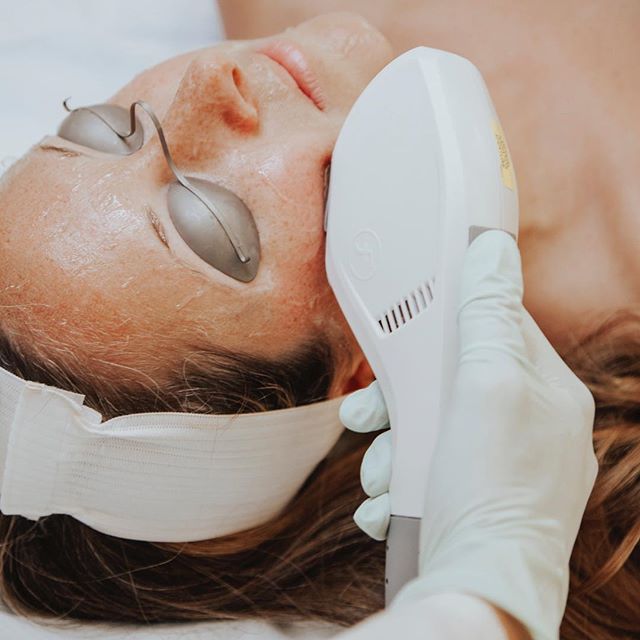
💧 From Our Feed: If your eyes feel dry, gritty, or like there's something in them all the time — you're probably not just "staring at screens too much." For most people with chronic dry eye, the real issue is Meibomian Gland Dysfunction (MGD). These tiny oil-producing glands in your eyelids get blocked or stop working properly, and without that protective oil layer, your tears evaporate way too fast. Warm compresses and artificial tears can help. But they're managing symptoms — not fixing the cause. That's where our newly upgraded iProElite comes in. |
The Issue: What Chronic Dry Eye Is Really Telling You
Every week I have patients sit across from me and say some version of the same thing: "My eyes are always dry. I've tried every drop on the shelf. Nothing works for long." And they're right — the drops aren't working, because drops can't fix the actual problem.
Chronic dry eye — the kind that's persistent, daily, and disruptive — is almost never just about hydration. In my clinical experience, the majority of these cases trace back to Meibomian Gland Dysfunction (MGD). These are microscopic glands embedded along the edge of your eyelids, and their job is to secrete the oily component of your tear film. That oil layer is essential — without it, your tears evaporate in seconds rather than minutes, leaving your eye surface exposed, irritated, and inflamed.
When those glands get clogged, scarred, or simply stop functioning properly, no amount of artificial tears will reverse it. You're essentially filling a bucket that has a hole in it.
The Feeling: Recognizing MGD in Your Daily Life
MGD doesn't always feel like classic "dryness." Here's what my patients actually describe:
• Grittiness — like fine sand caught under the lid.
• Burning or stinging — that worsens by afternoon.
• Blurry vision — that clears temporarily when you blink.
• Paradoxical tearing — eyes watering, yet still feeling dry.
• Sensitivity — to light, wind, or air conditioning.
If any of those sound familiar, the issue may not be how much tear fluid your eyes produce — it may be the quality of those tears. And quality is a gland problem, not a drop problem.
The Solution: Why We Upgraded to the iProElite
We've offered IPL and RF therapy for dry eye for a while now, and the clinical results have genuinely changed how I approach chronic dry eye cases. When MDElite released the iProElite — the most advanced iteration of this technology — upgrading was the right call for our patients.
What makes the iProElite different isn't just one thing — it's multiple therapies working together in a single treatment session.
☀️ Intense Pulsed Light (IPL) Targets the inflammation and abnormal blood vessels around the eyelids that drive MGD. Reduces the inflammatory cycle at its source and warms the glands to soften trapped secretions. | ⚡ Radiofrequency (RF) Delivers controlled heat deep into the eyelid tissue — reaching gland structures that surface treatments can't touch. Stimulates collagen, softens blockages, and improves gland expressibility. | 💎 Diamond Exfoliation A gentle resurfacing treatment applied around the face as needed. Clears biofilm, debris, and surface buildup that contribute to gland obstruction and periorbital inflammation. |
Together, these therapies don't just soothe symptoms — they work to restore the structural and functional health of your meibomian glands. That's a fundamentally different goal than managing dryness, and it's why patients who've had limited success with drops often respond so well to the iProElite.
What Does a Treatment Look Like?
Every patient's plan is customized based on their gland health, symptom severity, and how they respond to treatment. Here's a general overview of what the process looks like:
- Comprehensive Dry Eye Evaluation — We start by assessing tear quality, gland function, and lid health so we know exactly what we're treating before we treat it.
- IPL + RF Session (~20–30 min) — The iProElite is applied to the periorbital area. Most patients describe it as a warm, gentle sensation. Eye shields are placed for protection throughout.
- Diamond Exfoliation (as needed) — Applied around the face where beneficial. This step addresses surface biofilm and debris contributing to gland dysfunction.
- Meibomian Gland Expression (typically by Treatment 3) — Once glands have responded sufficiently to heat and treatment, we introduce manual expression to clear thickened secretions. This step is added based on each patient's progress and tolerance — not on a fixed schedule.
- Follow-Up Series — Most patients complete 4-5 sessions spaced two weeks apart. Many notice improved comfort after session one, with continued gains through the series and beyond.
📌 Important Note: Meibomian gland health responds progressively to treatment. The iProElite isn't a one-visit fix — it's a course of care tailored to your specific glands. But for patients who've been managing symptoms for years, the shift from "managing" to "improving" is enormous. |
Who Is a Good Candidate?
The iProElite is well-suited for patients with moderate to severe chronic dry eye who have already tried drops, warm compresses, or lid hygiene with limited results. It's especially effective when MGD is a confirmed or suspected driver of symptoms.
It is not appropriate for all patients. Those with certain autoimmune conditions, active skin infections, or specific skin tones may require a modified approach. We review gland structure, symptom history, and individual factors during your dry eye consultation before any treatment begins.
PATIENT Q&A
Your questions, answered by Dr. Wong. |
Q: How is the iProElite different from IPL/RF treatments you've offered before?
A: Great question. The foundational therapies — IPL and RF — are similar in concept, but the iProElite integrates multiple modalities into a single unified session using upgraded handpiece technology. The sequencing matters: each therapy primes the tissue for the next, making the overall effect more comprehensive than standalone treatments. The diamond exfoliation component is also broader in scope — we apply it where it's clinically useful, not just to the lid margin.
Q: Does it hurt?
A: The most common description I hear is "warm" — like a gentle heating sensation moving along the face. Some patients notice a mild snapping feeling with IPL pulses, particularly on more sensitive skin at higher settings. The diamond exfoliation feels like light buffing — no numbing is required. Overall, patient tolerance is high, and we adjust in real time if anything feels uncomfortable.
Q: How soon will I feel a difference?
A: This varies, but many patients report reduced grittiness and improved comfort within the first week after session one. The more significant functional changes — improved oil secretion, better tear film stability — tend to develop over the full treatment course. Think of it like physical therapy: some early relief, with the most meaningful gains building through the complete series.
Q: Do I have to stop using eye drops?
A: Not at all. We typically recommend continuing your current drops between sessions, especially if they're providing comfort. As treatment progresses and tear quality improves, many patients naturally find they need drops less frequently — but there's no requirement to stop anything at the outset.
Q: Does insurance cover it?
A: IPL-based dry eye treatments are generally considered elective by insurance carriers and are not covered by medical insurance at this time. We provide transparent pricing during your consultation. FSA and HSA funds are often applicable — it's worth checking with your plan administrator.
Q: Can I come in on a Saturday?
A: Absolutely. We're open Saturdays from 9:30 AM to 4:00 PM. Give us a call at 586-745-0863 or visit michiganeyeconsultants.com to schedule. Saturday consultations are a great time to ask questions and get a full picture of your dry eye situation without feeling rushed.
Ready to Stop Managing and Start Improving? A dry eye evaluation at Michigan Eye Consultants is the first step toward understanding what's actually driving your symptoms — and whether the iProElite is right for you. 📍 29273 Dequindre Rd, Madison Heights, MI 📞 586-745-0863 | michiganeyeconsultants.com 🗓️ Saturday Hours: 9:30 AM – 4:00 PM | Medical Insurance Accepted |
Quick Links
Helpful Articles
article_category: products
article_category: psychiatry
article_category: faqs
article_category: cats
article_category: general
article_category: services
article_category: technology
article_category: dogs
article_category: restorative
article_category: vision therapy
article_category: contact lenses
article_category: health
article_category: conditions
article_category: eye surgery co-management
article_category: exotic
article_category: cosmetic
article_category: surgical procedures
article_category: aesthetics
article_category: preventative
article_category: ocular disease management
article_category: eyeglasses
article_category: eye health
article_category: large animal
[]
article_category: psychiatry
article_category: faqs
article_category: cats
article_category: general
article_category: services
article_category: technology
article_category: dogs
article_category: restorative
article_category: vision therapy
article_category: contact lenses
article_category: health
article_category: conditions
article_category: eye surgery co-management
article_category: exotic
article_category: cosmetic
article_category: surgical procedures
article_category: aesthetics
article_category: preventative
article_category: ocular disease management
article_category: eyeglasses
article_category: eye health
article_category: large animal
[]
Flowbite is an open-source library of interactive components built on top of Tailwind CSS including buttons, dropdowns, modals, navbars, and more.
Check out this guide to learn how to get started and start developing websites even faster with components on top of Tailwind CSS.

All Eye Care Services
Find personalized eye care excellence with our comprehensive services. From eye exams to advanced diagnostics, trust us for all your vision needs.

Keep In Touch
For non-urgent questions or to learn more about our services, contact us today!

© 2026 Michigan Eye Consultants. All rights Reserved - Accessibility Statement - Privacy Policy - Sitemap
Managed and Designed by 
Michigan Eye Consultants
Patient Advisor
Online
Hello!I'm the MEC Patient Advisor. I can answer questions about our Advanced Dry Eye Program,Neurolens,specialty lenses,pricing,and help get you scheduled with Dr. Wong. What brings you in today?