Advanced Dry Eye & Ocular Surface Center
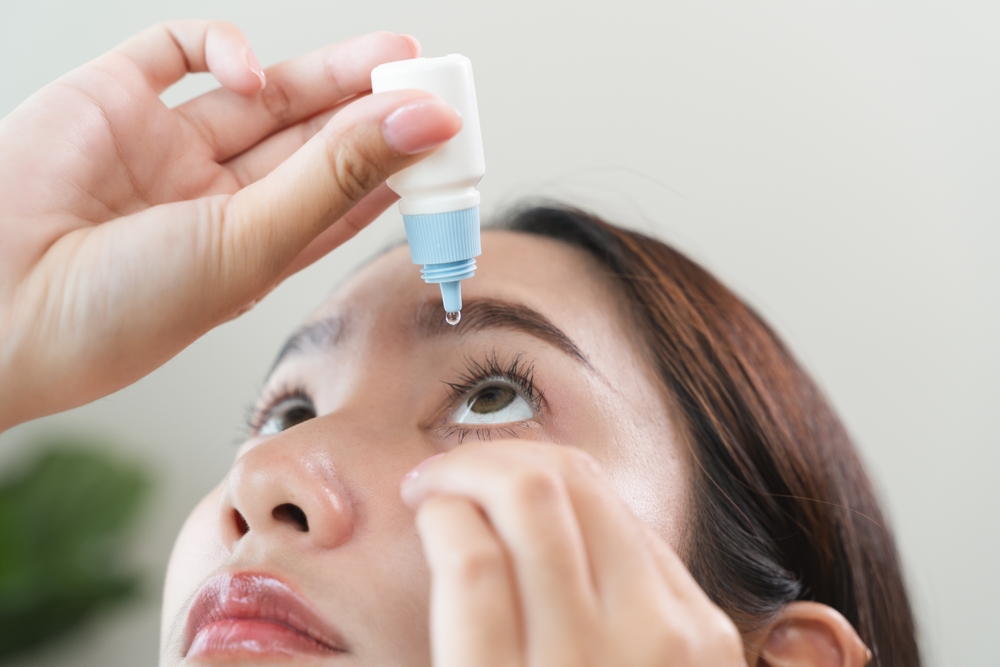
Chronic Dry Eye Is a Progressive Medical Condition — Not Just Irritation
Burning. Grittiness. Fluctuating or blurry vision. Redness. Light sensitivity.
If artificial tears, warm compresses, or lid wipes have not provided lasting relief, you may be dealing with chronic dry eye disease.
Dry eye is a medical condition involving tear film instability, ocular surface inflammation, and frequently Meibomian Gland Dysfunction (MGD). Treating symptoms alone rarely resolves the underlying cause.
At Michigan Eye Consultants, we provide structured, technology-guided evaluation and advanced treatment designed to restore ocular surface stability — not just temporarily relieve discomfort.
Serving patients in Madison Heights, Troy, Birmingham, Royal Oak, Warren, Sterling Heights, and throughout Metro Detroit.
Dry Eye Specialist Serving Madison Heights & Metro Detroit
If you are searching for a dry eye specialist near Madison Heights, Troy, Birmingham, Royal Oak, or Sterling Heights, our center provides structured evaluation and advanced treatment for chronic ocular surface disease.
We treat:
Evaporative dry eye
Inflammatory dry eye
Many of our patients come to us after trying artificial tears or basic therapies without lasting improvement.
What Causes Chronic Dry Eye?
Dry eye disease commonly develops due to:
Evaporative tear loss
Ocular surface inflammation
Hormonal changes
Autoimmune conditions
Extended screen use and digital strain
MGD is one of the leading causes. When the oil glands in the eyelids become obstructed or inflamed, tears evaporate too quickly — resulting in persistent irritation and unstable vision.
Comprehensive Dry Eye Evaluation
Effective treatment begins with precision diagnosis.
Your advanced evaluation may include:
Tear film stability assessment
Meibomian gland analysis
Ocular surface staining
Inflammatory evaluation
Eyelid margin assessment
Symptom severity scoring
We stage disease severity and design a personalized treatment protocol tailored to your condition.
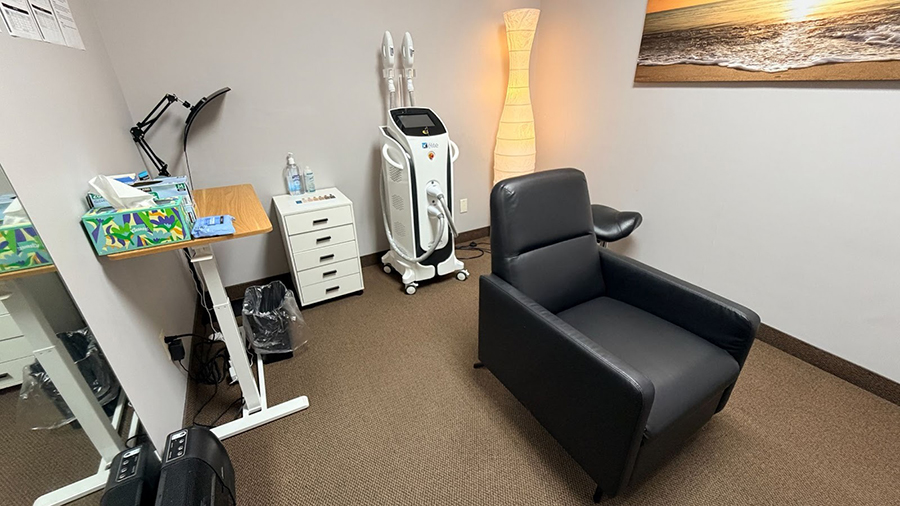
Are You a Candidate for Advanced Dry Eye Treatment?
You may benefit from IPL or RF therapy if you experience:
Burning or gritty sensation daily
Fluctuating or blurry vision that improves with blinking
Redness that returns despite drops
Eye fatigue during screen use
Sensitivity to light or glare
Incomplete relief from warm compresses
Advanced therapy is particularly effective for patients with moderate to severe meibomian gland dysfunction.
Advanced Dry Eye Treatment Options
Dry eye is multifactorial. A layered approach is often necessary.
Intense Pulsed Light (IPL) Therapy
IPL reduces inflammatory pathways contributing to eyelid disease and abnormal blood vessels. By improving gland function and reducing inflammation, IPL helps stabilize the tear film.
Radiofrequency (RF) Therapy
RF gently heats the eyelids to improve oil gland secretion and tear quality. This is particularly effective for evaporative dry eye caused by gland obstruction.
Low-Level Light Therapy (LLLT)
LLLT uses controlled therapeutic light energy to support cellular activity in the eyelids and meibomian glands. This photobiomodulation can help improve gland performance, reduce inflammation, and enhance tear film stability. LLLT is often incorporated into comprehensive dry eye treatment plans alongside other therapies.
Combination Therapy
For moderate to advanced cases, combining IPL, RF, and LLLT allows simultaneous treatment of inflammation and gland dysfunction while supporting gland recovery. Many patients experience:
• Reduced burning and irritation
• More stable vision
• Decreased dependency on artificial tears
• Improved comfort with screen use
• Greater contact lens tolerance
Punctal Plugs
For patients with reduced tear volume, punctal plugs help retain natural tears on the eye surface longer, providing improved hydration.
Amniotic Membrane Therapy
In cases of significant ocular surface inflammation or damage, biologic amniotic membrane therapy can promote healing and restore surface integrity.
Why Artificial Tears Alone Often Fail
Artificial tears may temporarily lubricate the surface but do not correct gland obstruction or chronic inflammation.
If you experience:
Persistent burning despite drops
Fluctuating or blurry vision
Redness that returns daily
Eye fatigue with screen use
Light sensitivity or glare
You may require structured medical therapy rather than maintenance drops alone.
Understanding Evaporative vs. Aqueous Dry Eye
Dry eye is not the same for every patient.
Evaporative Dry Eye
Often caused by meibomian gland dysfunction. Tears evaporate too quickly due to insufficient oil layer.
Aqueous-Deficient Dry Eye
Occurs when the eye does not produce enough tears.
Proper diagnosis determines whether treatment should target inflammation, gland obstruction, tear production, or a combination.
Who Should Consider Advanced Dry Eye Therapy?
You may benefit if you:
Have autoimmune conditions
Have had refractive surgery
Experience migraine-associated light sensitivity
Chronic dry eye frequently overlaps with digital eye strain and ocular surface inflammation.
What Makes Our Dry Eye Center Different
Medical optometry leadership
Technology-guided diagnostic protocols
Structured multi-modality treatment
Personalized severity staging
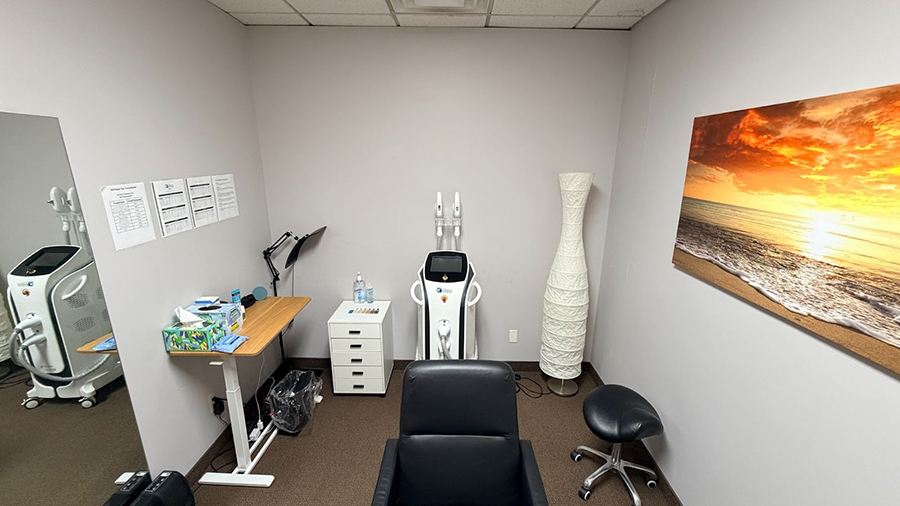
Modern 2024 facility environment
Ongoing evaluation of emerging ocular surface therapies
We focus on long-term ocular surface stability — not temporary symptom control.
Frequently Asked Questions
Is dry eye disease permanent?
Dry eye is typically chronic. While not permanently “cured,” structured medical treatment can significantly reduce symptoms and stabilize the ocular surface long-term.
What is Meibomian Gland Dysfunction (MGD)?
MGD occurs when eyelid oil glands become obstructed or inflamed, leading to rapid tear evaporation and chronic irritation.
Can advanced treatments like IPL, RF, or LLLT help dry eye?
Yes. Technologies such as IPL, RF, and LLLT can improve meibomian gland function and reduce eyelid inflammation, helping stabilize the tear film in patients with evaporative dry eye.
How many treatments are required?
The number of sessions depends on severity. Most patients require a series of treatments spaced several weeks apart.
Is advanced dry eye treatment covered by insurance?
Comprehensive diagnostic evaluations are often covered by medical insurance. Procedural therapies such as IPL or RF are typically elective.
Serving Madison Heights and Surrounding Communities
We proudly serve patients throughout Madison Heights and neighboring communities including Birmingham, Troy, Bloomfield Hills, Royal Oak, and Sterling Heights. Many seek evaluation when persistent irritation or fluctuating vision does not improve with daily drop use.
Persistent Dry Eye Symptoms?
If you’ve tried drops, lid wipes, or home remedies without relief, it may be time for a structured medical approach.
Schedule a comprehensive dry eye consultation at Michigan Eye Consultants and receive a personalized treatment plan designed for long-term stability.
Call 586-302-3222 or Schedule Your Dry Eye Consultation!
Quick Links
Helpful Articles
article_category: cosmetic
article_category: eye surgery co-management
article_category: products
article_category: vision therapy
article_category: dogs
article_category: technology
article_category: general
article_category: eye health
article_category: aesthetics
article_category: services
article_category: faqs
article_category: exotic
article_category: large animal
article_category: contact lenses
article_category: surgical procedures
article_category: health
article_category: psychiatry
article_category: conditions
article_category: restorative
article_category: preventative
article_category: cats
article_category: eyeglasses
article_category: ocular disease management
[]
article_category: eye surgery co-management
article_category: products
article_category: vision therapy
article_category: dogs
article_category: technology
article_category: general
article_category: eye health
article_category: aesthetics
article_category: services
article_category: faqs
article_category: exotic
article_category: large animal
article_category: contact lenses
article_category: surgical procedures
article_category: health
article_category: psychiatry
article_category: conditions
article_category: restorative
article_category: preventative
article_category: cats
article_category: eyeglasses
article_category: ocular disease management
[]
Flowbite is an open-source library of interactive components built on top of Tailwind CSS including buttons, dropdowns, modals, navbars, and more.
Check out this guide to learn how to get started and start developing websites even faster with components on top of Tailwind CSS.

All Eye Care Services
Find personalized eye care excellence with our comprehensive services. From eye exams to advanced diagnostics, trust us for all your vision needs.

Keep In Touch
For non-urgent questions or to learn more about our services, contact us today!

© 2026 Michigan Eye Consultants. All rights Reserved - Accessibility Statement - Privacy Policy - Sitemap
Managed and Designed by 
Michigan Eye Consultants
Patient Advisor
Online
Hello!I'm the MEC Patient Advisor. I can answer questions about our Advanced Dry Eye Program,Neurolens,specialty lenses,pricing,and help get you scheduled with Dr. Wong. What brings you in today?